

You’re dreaming at…

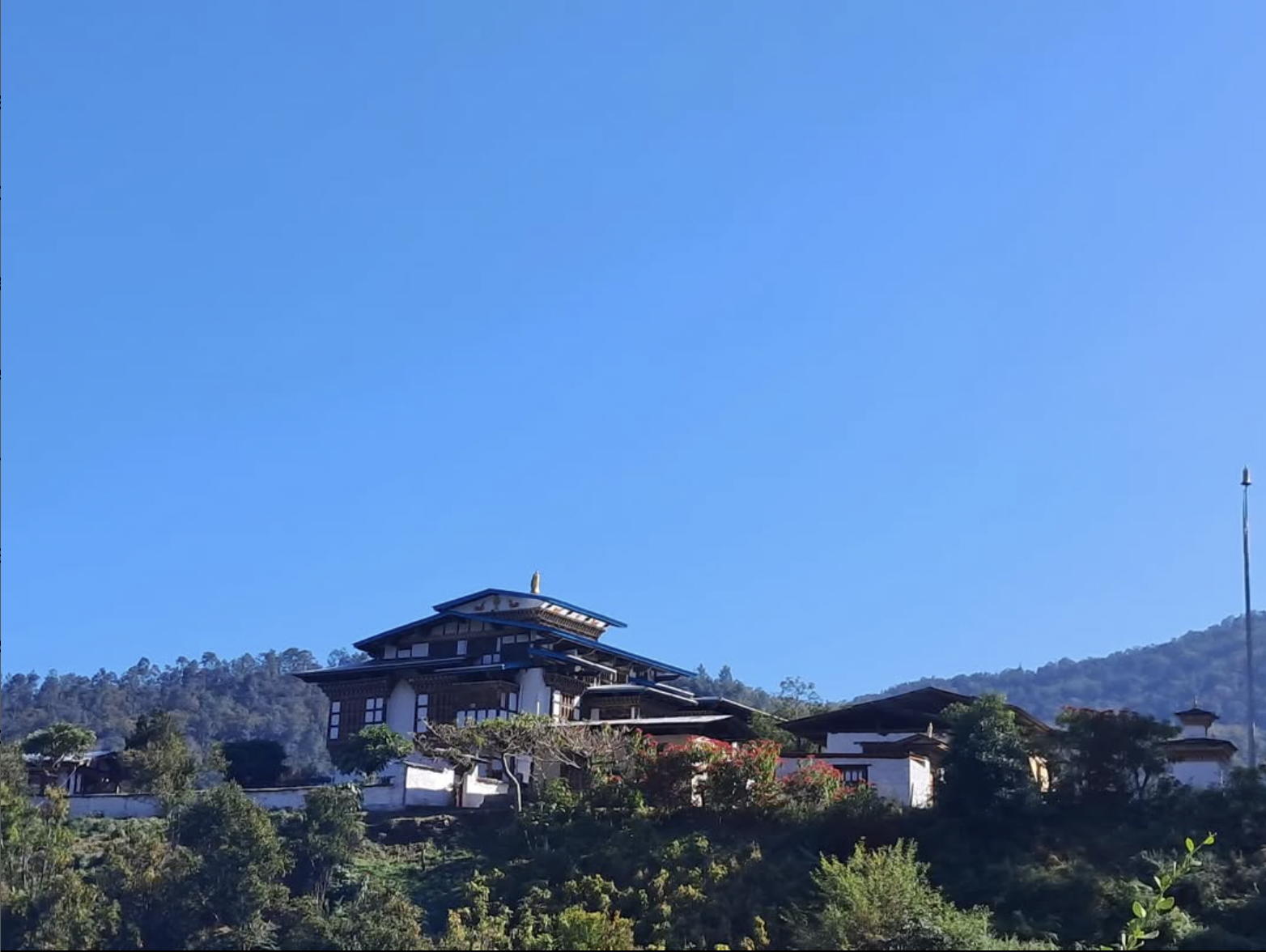
MENDEGANG HERITAGE HOME
Bhutan
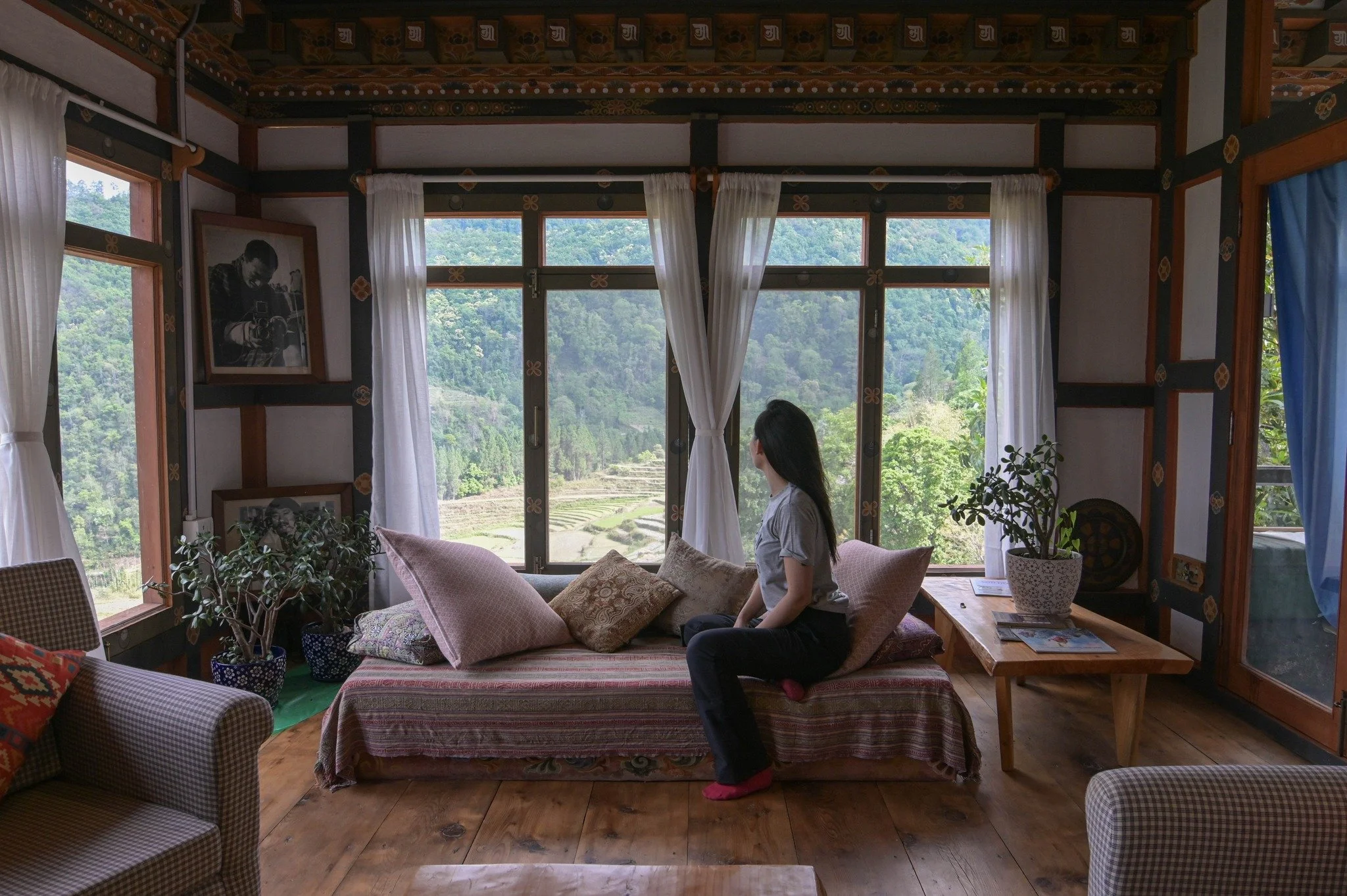
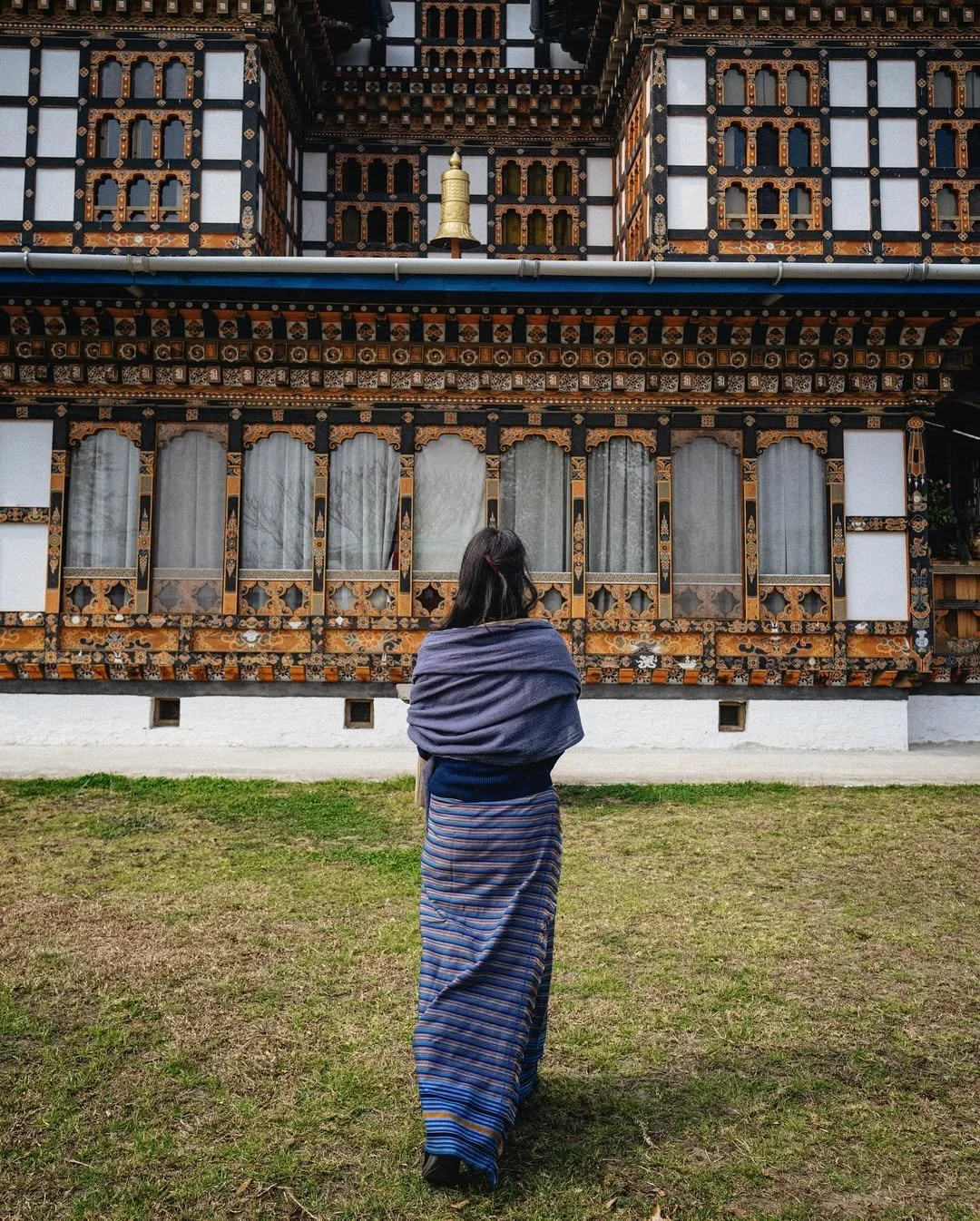

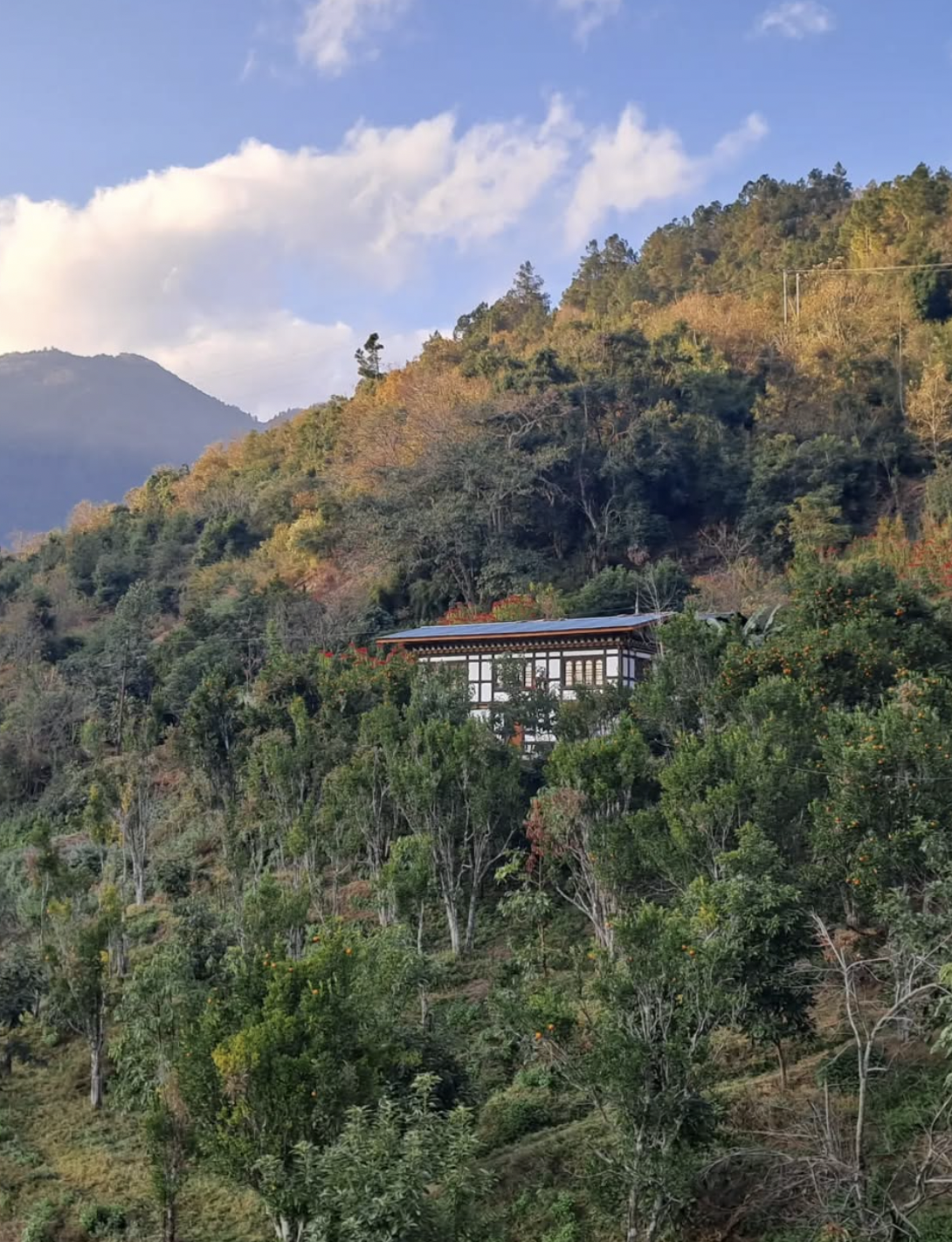
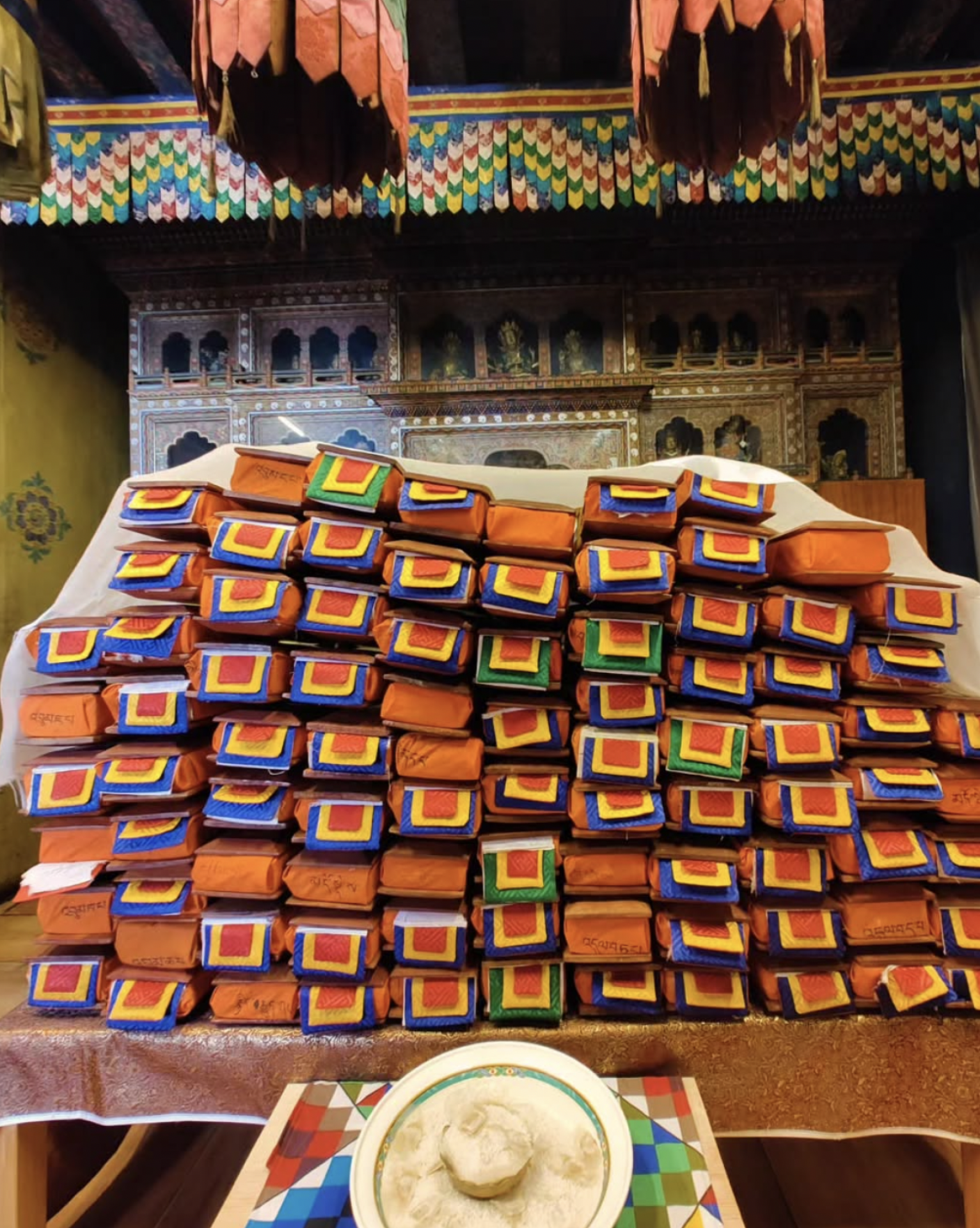
An ancestral stronghold of living memory - five generations of story and sacred ritual
𓇼
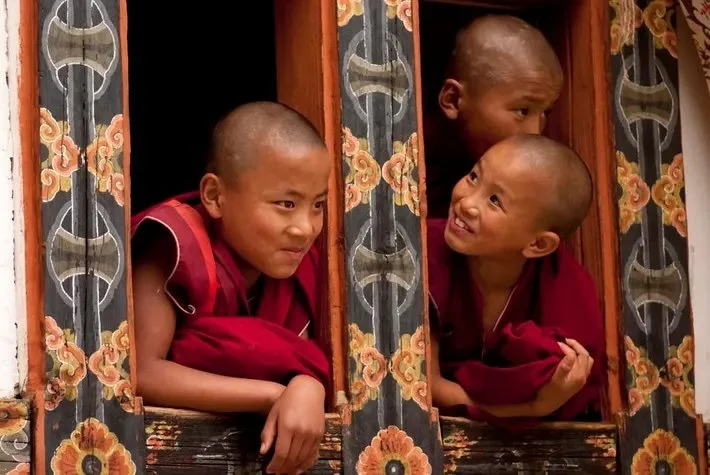
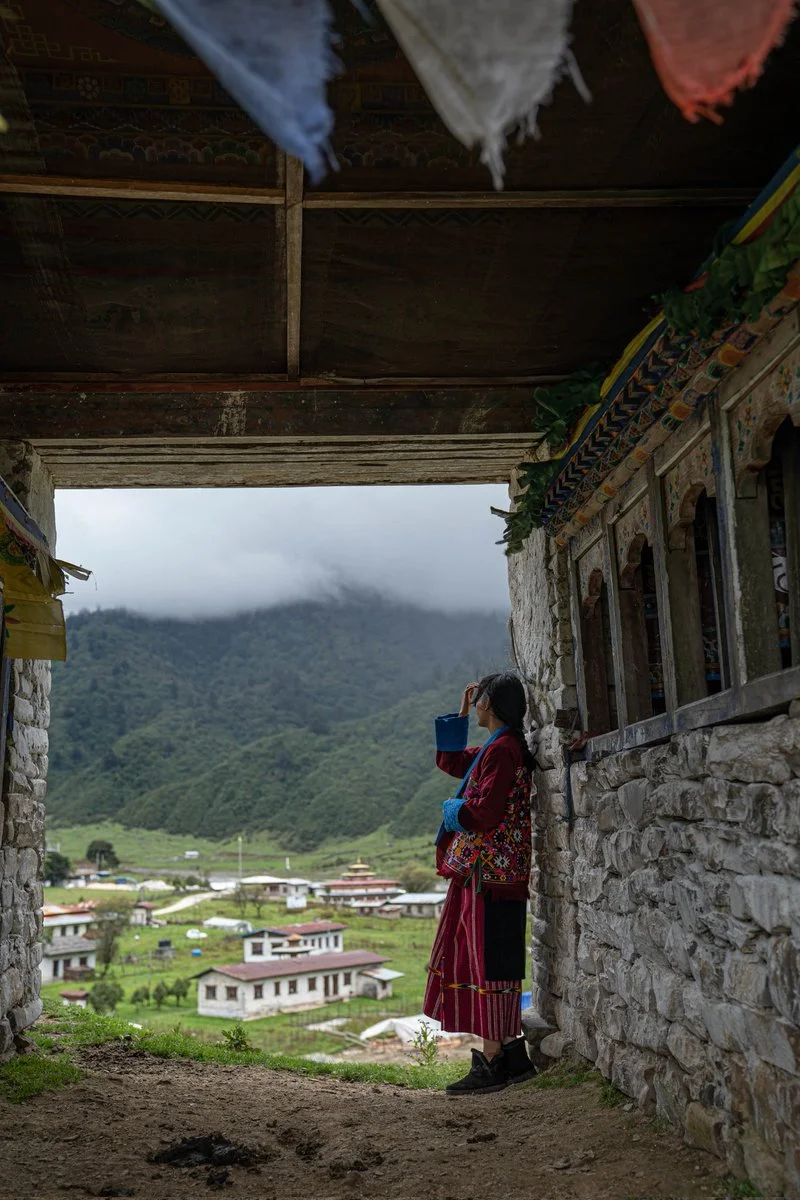
WILDLY PLACED: Mendelgang Village, Punakha – perched above the rice fields, just off the highway but deep inside heritage.
EDITORIAL VIBE: Slow-travel documentarian meets Bhutanese daughter of the land.
CORE PILLARS: Lineage, community guardianship, rural conservation.
MUSE MOOD: She notices door frames, cooks with aunties, and lights butter lamps with gratitude.
BEST TIME TO GO: October to May – clear days, festival season, and gold-tinged rice paddies.
THE LOOK: Carved balconies, temple wings, polished floors softened by wool and candlelight.
WHO’S IT FOR: Cultural deep divers, heritage conservationists, soul-rooted wanderers.
INDULGENCE SPECTRUM: From USD$40 per night – includes all meals, temple access, and generational care.
Some places you visit. Others fold you into a story still unfolding.
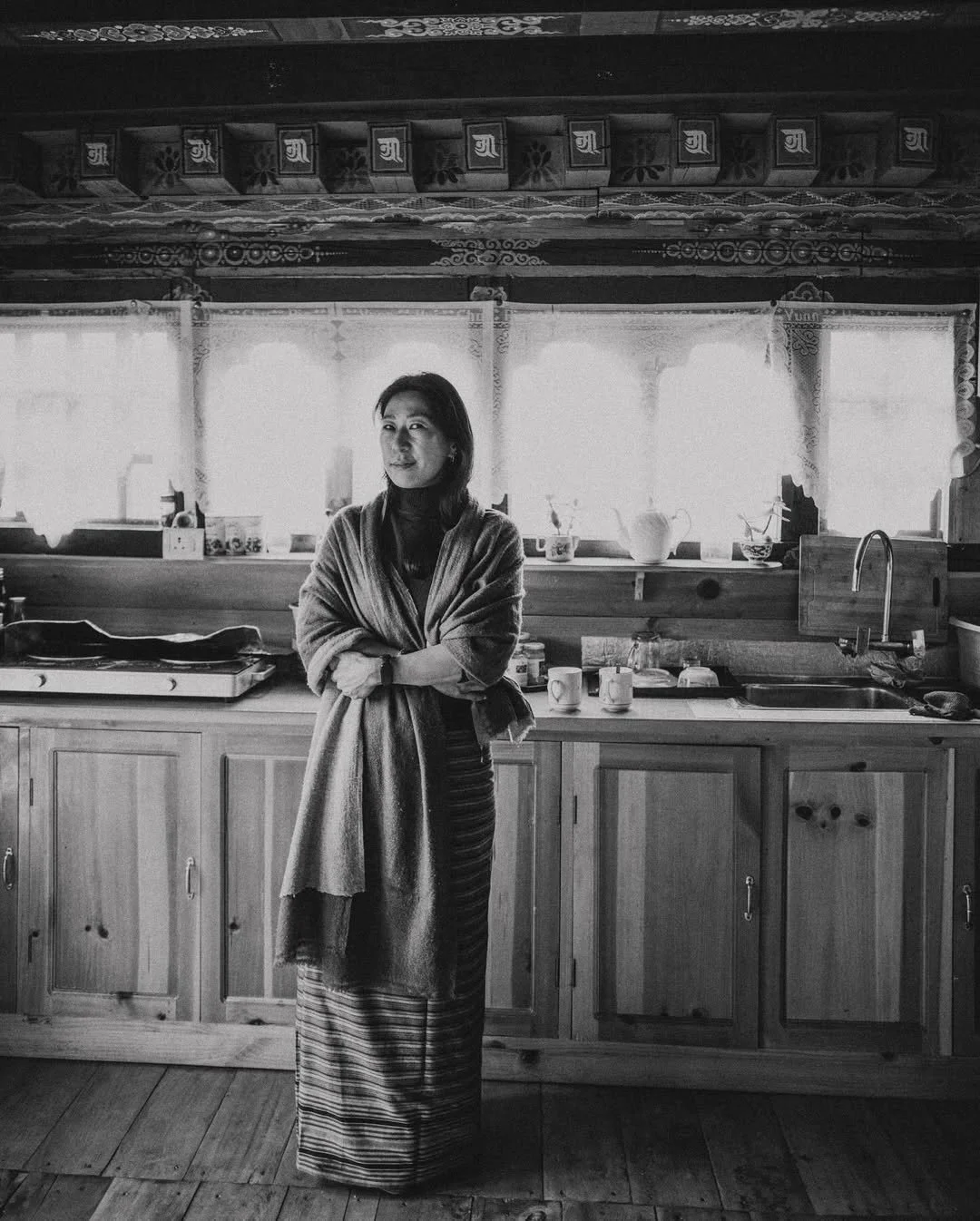
Mendegang Heritage Home is one of Bhutan’s most intact ancestral estates, still owned, lived in, and cared for by the same family who built it over 200 years ago. Today, that torch is held by Tshoki, the third-generation daughter whose presence brings both warmth and quiet authority to the stay.
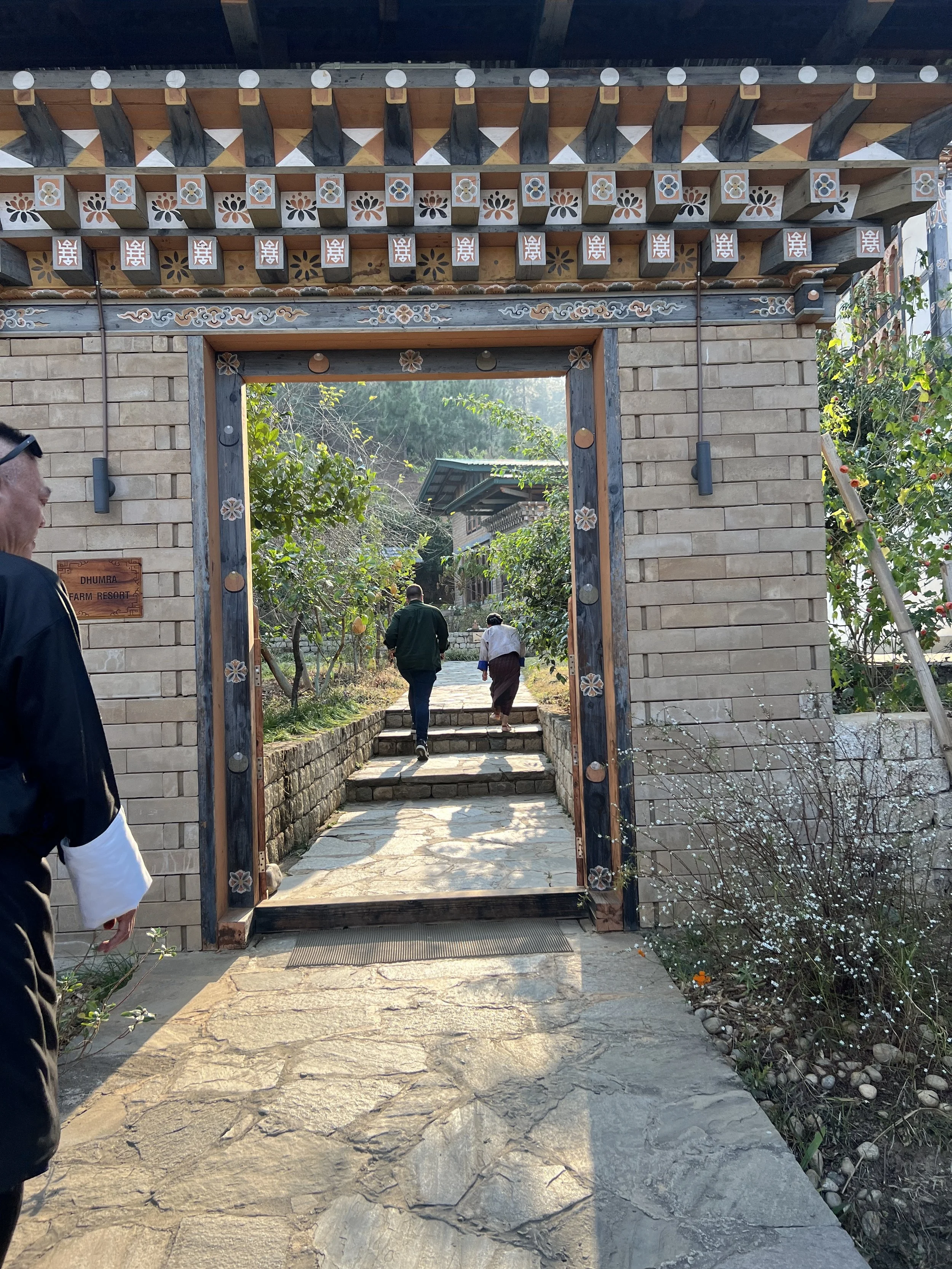
You’ll meet her as the great Machhen doors open, stepping through a carved gateway into two symmetrical wings of the home - built for her grandfather’s two wives - and joined by a soaring three-storey private temple in the centre. The temple houses a 12-foot statue of Guru Rinpoche, rare even in Bhutan, and maintained through family-led Chhoku ceremonies and seasonal Tendrels that sustain both spiritual and social cohesion in the village.
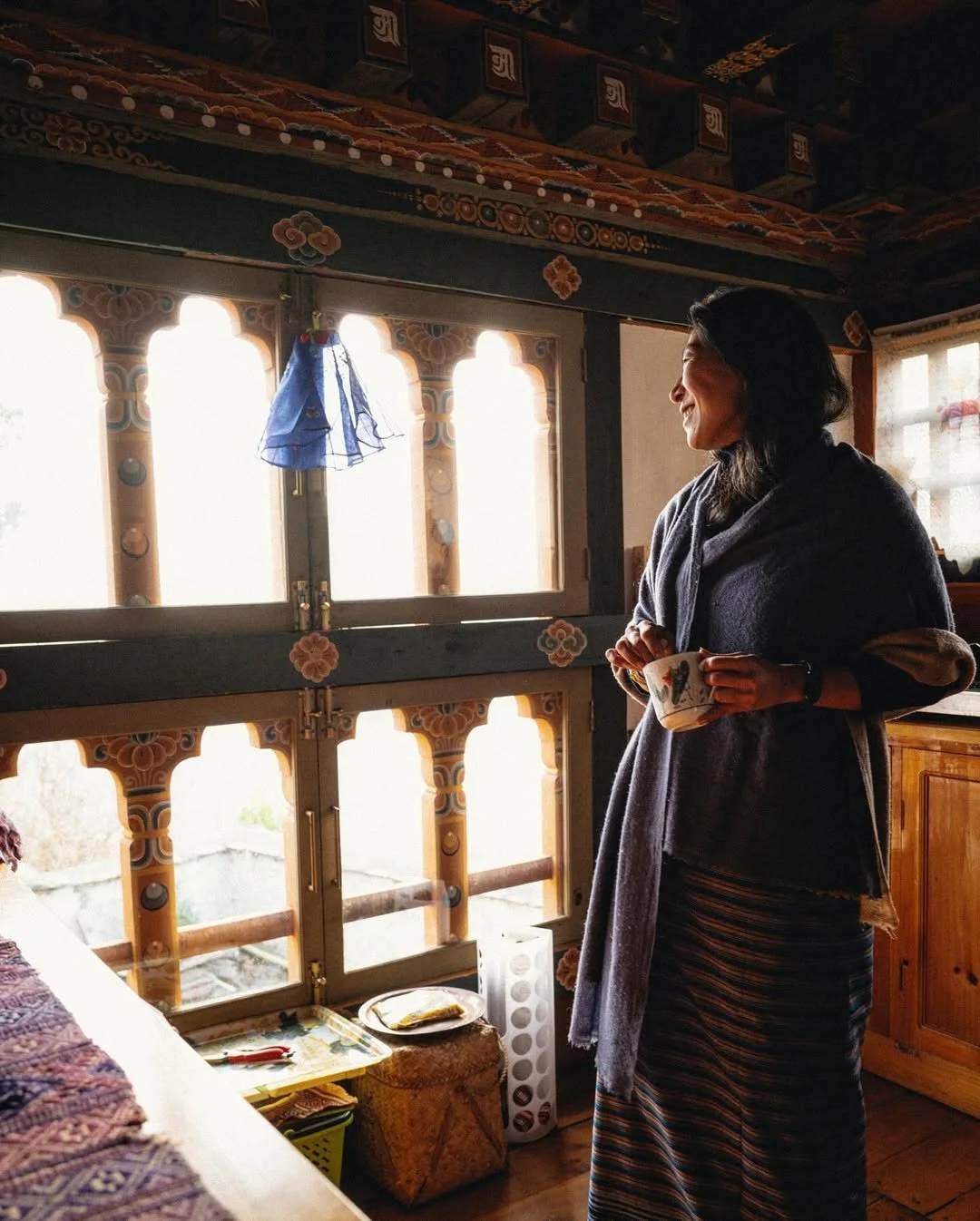
The house doesn’t speak through curated experiences. It speaks through patina and presence. Polished timber floors lead to creaking staircases, softened by time and thick wool blankets. Walls are plastered by hand, and butter lamps glow beside altar scrolls passed down through generations.
The smoke that rises from the hearth each morning is the same that’s been used to warm and bless this home for centuries.
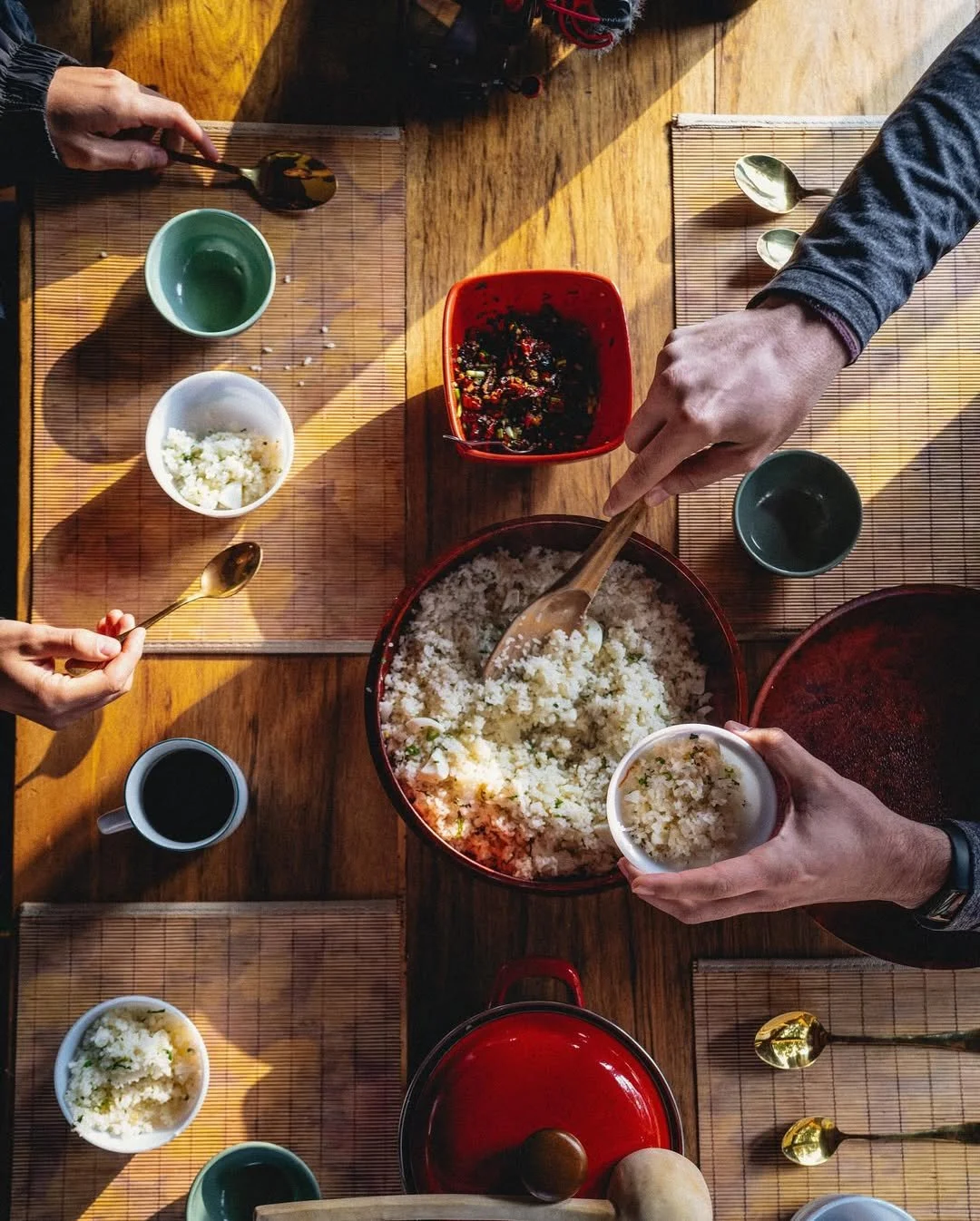
You won’t find a restaurant, yet meals arrive with ritual grace, grown in the family’s garden or traded with nearby villagers. Fiddlehead ferns, chilli cheese, rice harvested from the paddies outside your window. You sit cross-legged on a low bench, eating food made not for show, but for sustenance.
Time here slows to the rhythm of the household. You might join a cousin weaving textiles in the courtyard or follow the family down to the altar for a prayer ceremony. There is no agenda, yet there is always meaning. Every task becomes a ritual. Every ritual becomes a memory. And every memory feels like it has long belonged to you.
At Mendegang, in every offering of tea, every gesture of care, you are reminded that heritage isn’t just preserved in bricks and beams. It lives in lineage. It lives in the hands of daughters. It lives in the sound of rice being washed at dawn.
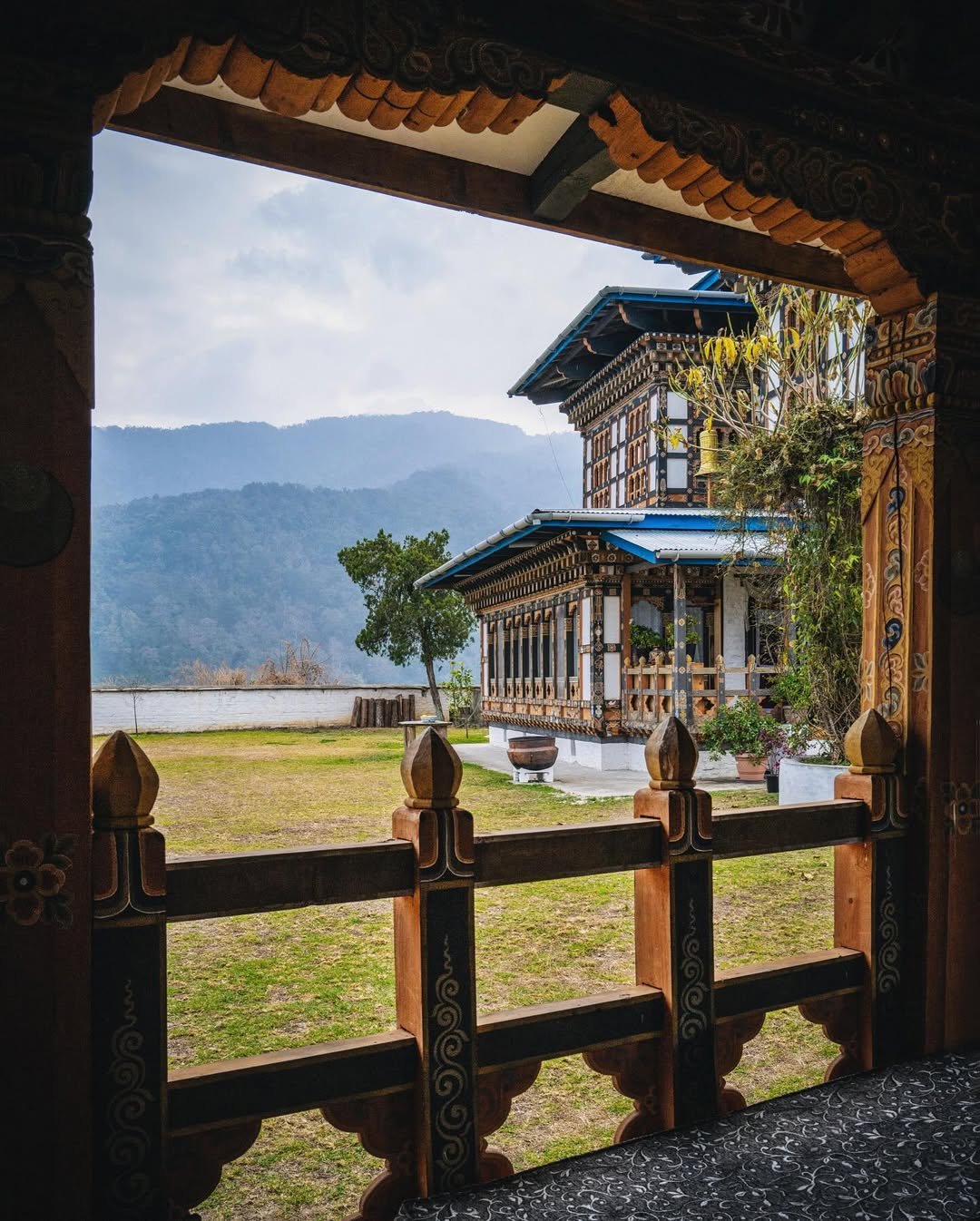
MENDEGANG’S BEATING HEART
Built five generations ago and still cared for by the same bloodline, Mendegang is no museum. It is a lived-in legacy – of architecture, of prayer, of slow hospitality – where temple, home, and community remain inseparably entwined.
The SLOJOURN spark
FIRST. Twin wings of a family home, joined by a private temple with a 12-foot Guru Rinpoche.
SECOND. Meals grown or gathered nearby, cooked by hand, served beside the same fire lit for ancestors.
THIRD. A heritage conservation project lived, not labelled – and led by a daughter of the home.
THE SECRET. Sonam, the family matriarch, was featured in National Geographic’s 50 Faces of Bhutan in the 1980s - a quiet force of tradition and wisdom. Today, alongside her daughter Suki, they remain the beating heart of Mendegang. Their presence doesn’t just host your stay - it defines it.
Where you dwell
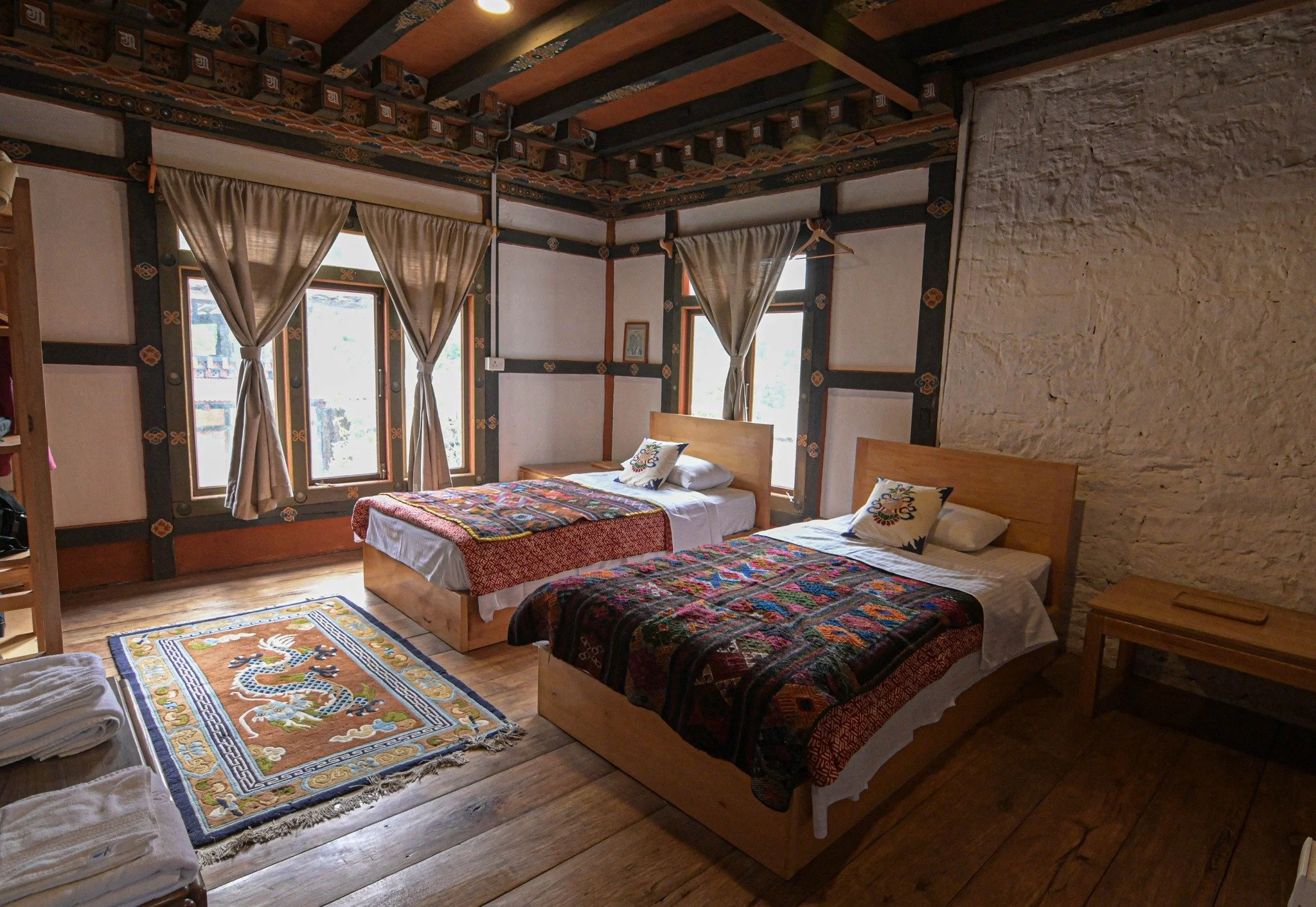
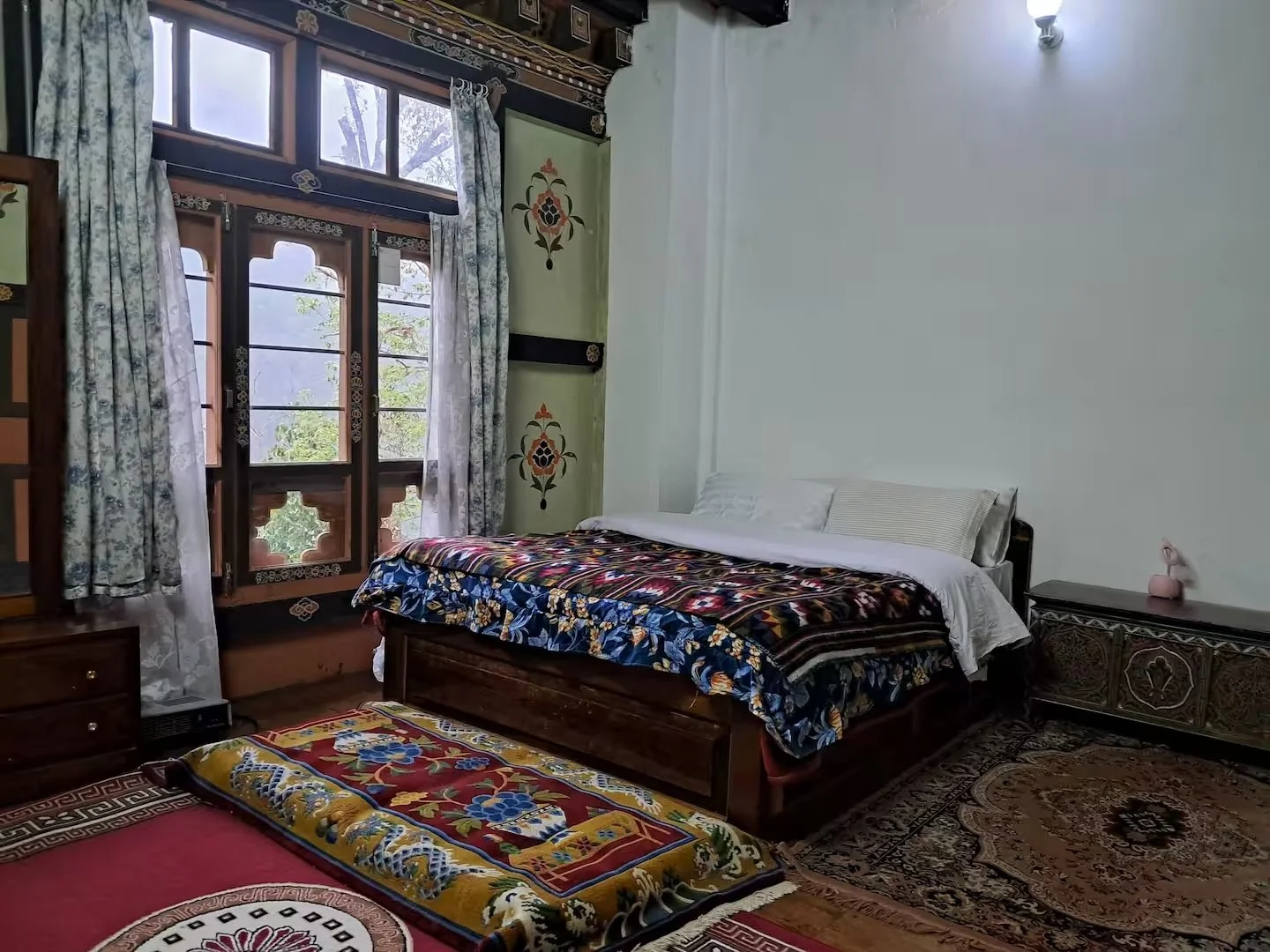
Thick mud-brick walls cradle you in stillness. Rooms are spare and soulful – handmade wool blankets, incense-coiled air, deep soaking tubs and views of rice terraces. Upstairs, the kitchen hums. Downstairs, cows shift gently in the family barn.
You’re not in a hotel. You’re in a lineage. You sleep where great-grandparents once prayed. You wake to roosters and morning light slanting through hand-carved windows.
DON’T SLEEP ON THESE ROOMS (BUT DO SLEEP IN THEM)
ALL GUESTS
Double Room or Entire Homestay
The art of living
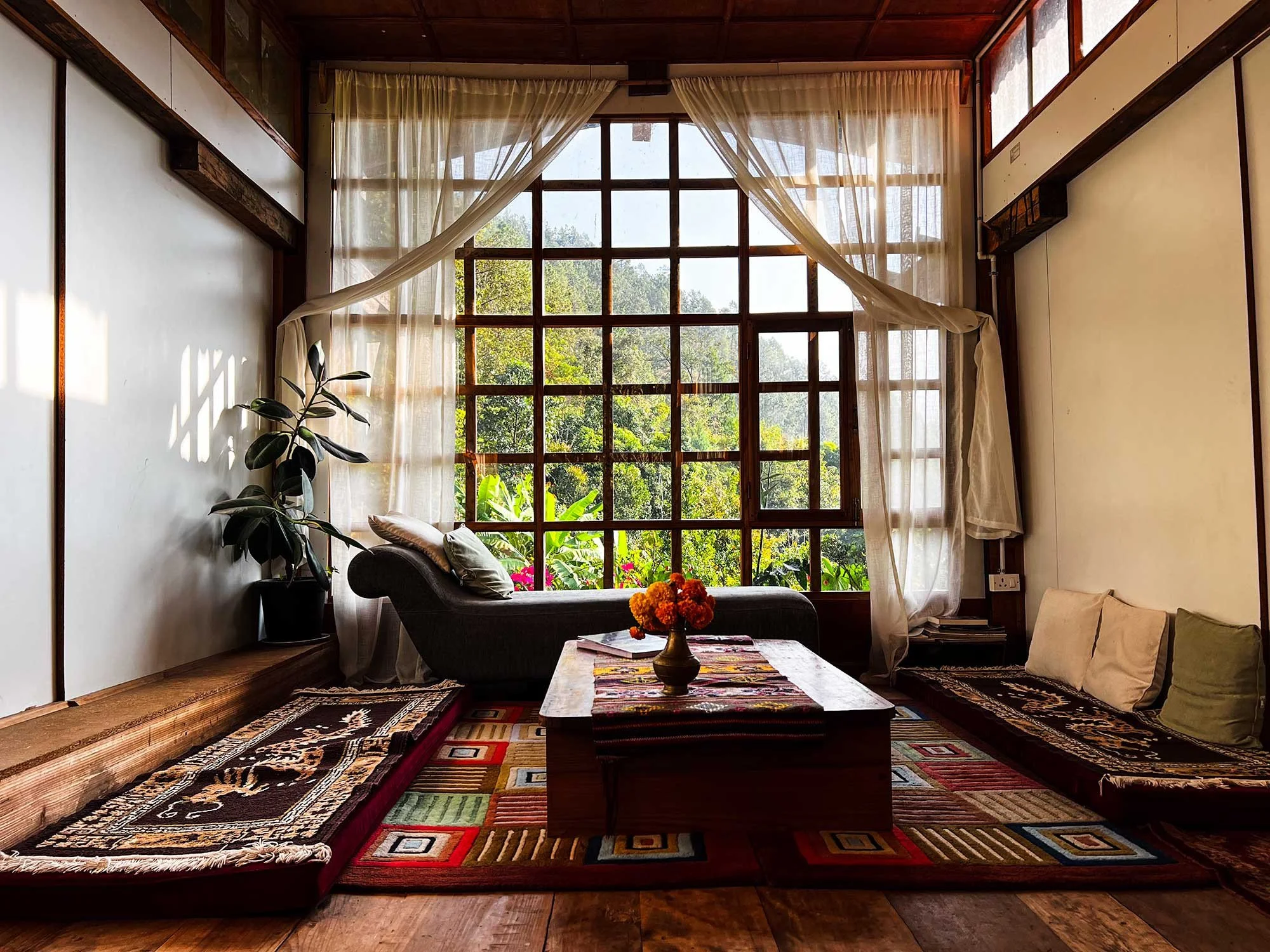
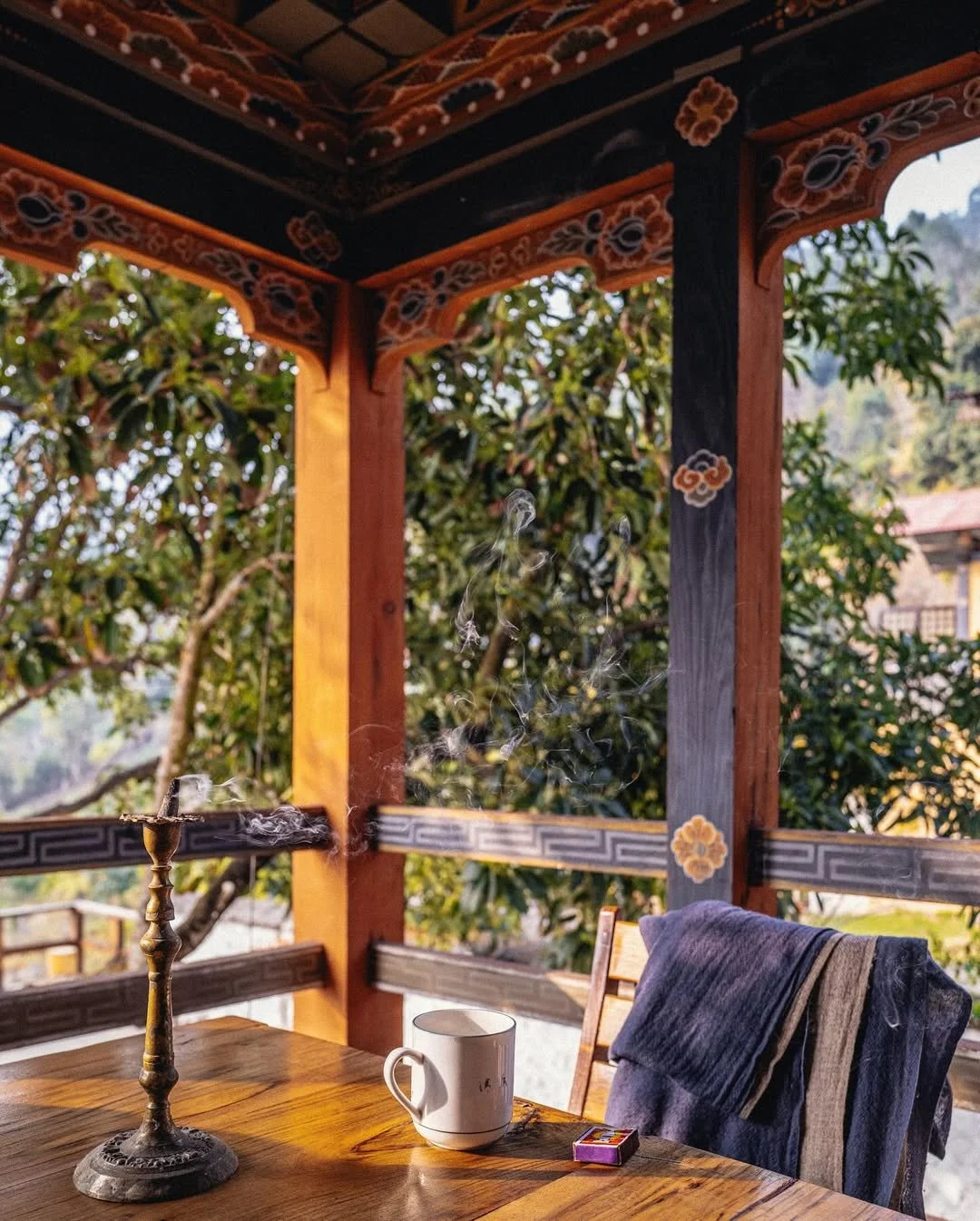
Life here flows in rhythm with the land. Mornings might begin with tea and butter in the courtyard. Afternoons pass preparing dumplings or visiting the village’s hidden temples. The evenings? Candlelight. Soft laughter. The feeling of being exactly where you belong.
There’s no spa. No curation. Only life, lived gently, beside you.
The forever lens
-
WATER: Spring-fed and boiled by fire – no plastic bottles, ever.
WASTE: Food scraps become compost or livestock feed; nothing leaves the house without a purpose.
ARCHITECTURE: Original 19th-century earth walls, joined by hand, restored using ancestral methods.
ENERGY: Minimal electricity use. Heated by sun, stoves, and slow time.
The together lens
-
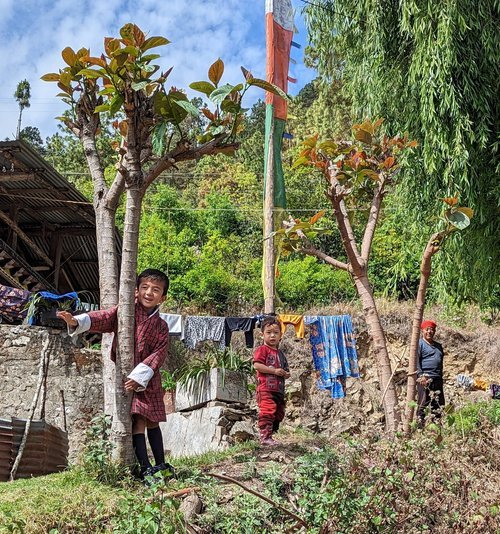
This home is not just a stay – it is a stewardship model. From temple rituals to food cultivation, from craft preservation to neighbourly support, Mendegang is Bhutanese heritage held in the hands of women like Tshoki. Guests directly support family income, village resilience, and the continuation of deeply local practice. No middleman. No dilution.
The take it with you
-
Memories of a night drinking Bhutanese wine and hearing stories with Sonam.
A recipe scribbled on the back of your notebook
A handful of incense, gifted after morning tea
A memory of rice fields turning gold
A slower way of moving through someone else’s home
A renewed respect for legacy — and how it lives
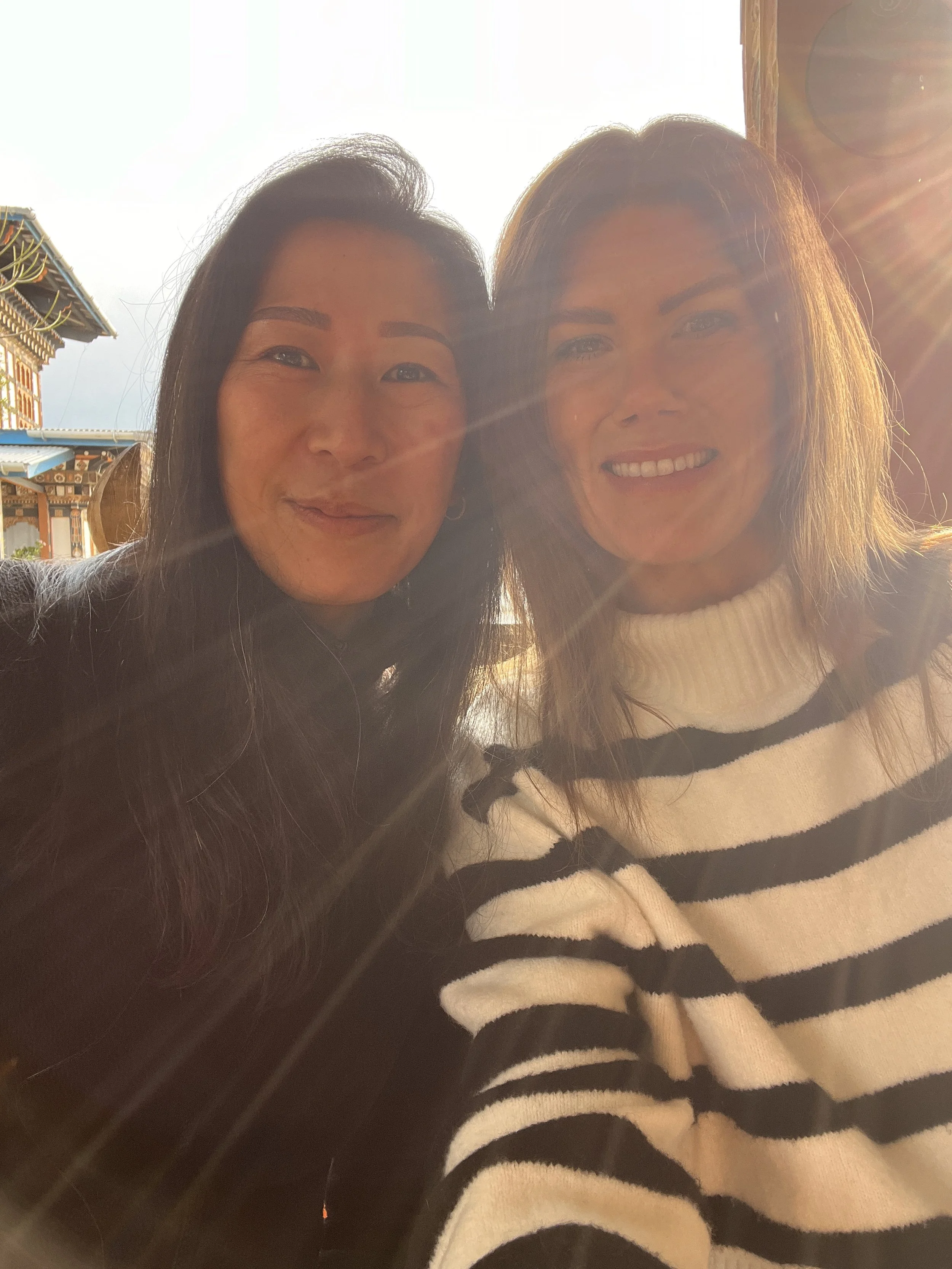
WE SLOJOURNED HERE
“Mendegang didn’t feel like a stay - it felt like stepping into someone’s story and being allowed to stay awhile. I arrived expecting something rustic. I left having been held by lineage, nourished by history, and knowing this would be the part of Bhutan I’d carry home. I wouldn’t dream of recommending Bhutan without a homestay here.”
The ways you can move
SLOJOURN is a curated platform for the new vanguard of conscious travellers. That’s you. We support a multitude of ways to book your travel.
Book via our preferred travel partners that we can connect you with.
Use this as your guide and DIY your way through the world (love that for you, just take note of the destinations that prohibit this such as Bhutan, Socotra… etc.)