You’ve landed in…

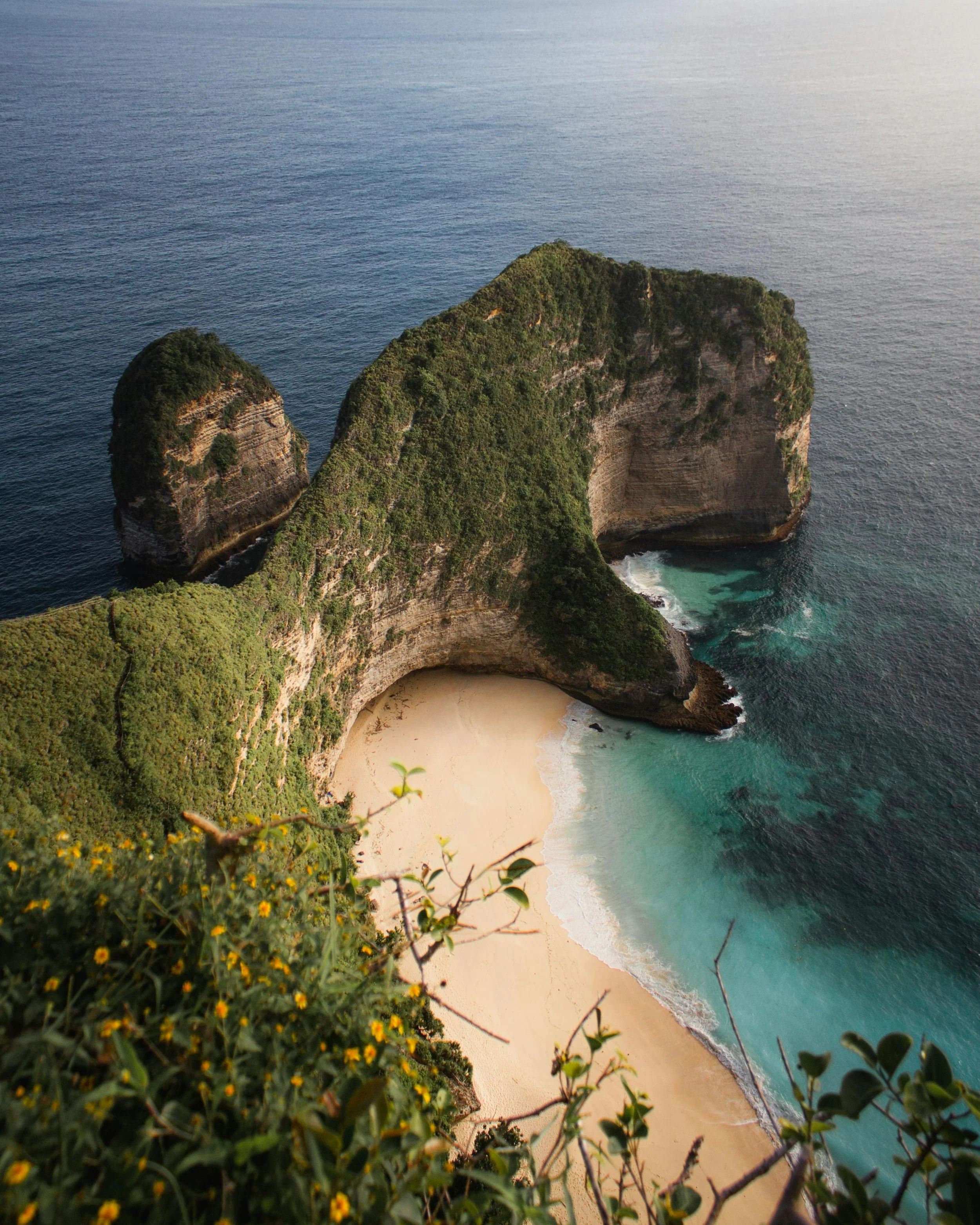
INDONESIA - ISLANDS
A Slow Travel Guide for Indonesia’s Islands
“We started coming on family adventures to Sumatra when I was 9 years old. One might argue that it was Sumatra that started my love affair with adventure & travel. Back then, the depths of Indonesia, offered a different kind of immersion. We sailed to the remote islands of the Mentawai’s before a single Resort existed, and so watching it’s development has been both heartbreaking and humbling'.
There’s something about the Indonesian archipelago, especially its lesser-known islands, that activates a quiet kind of awe. Time slows here. Traditions run deep. And beauty is never manufactured, only revealed. This destination edit is for immersive travellers: the ones who crave remoteness, but with a sense of style. These islands are sacred, seductive, and soul-restoring. Come for the ocean, stay for the remembering like I have been doing since I was 9 years old.”
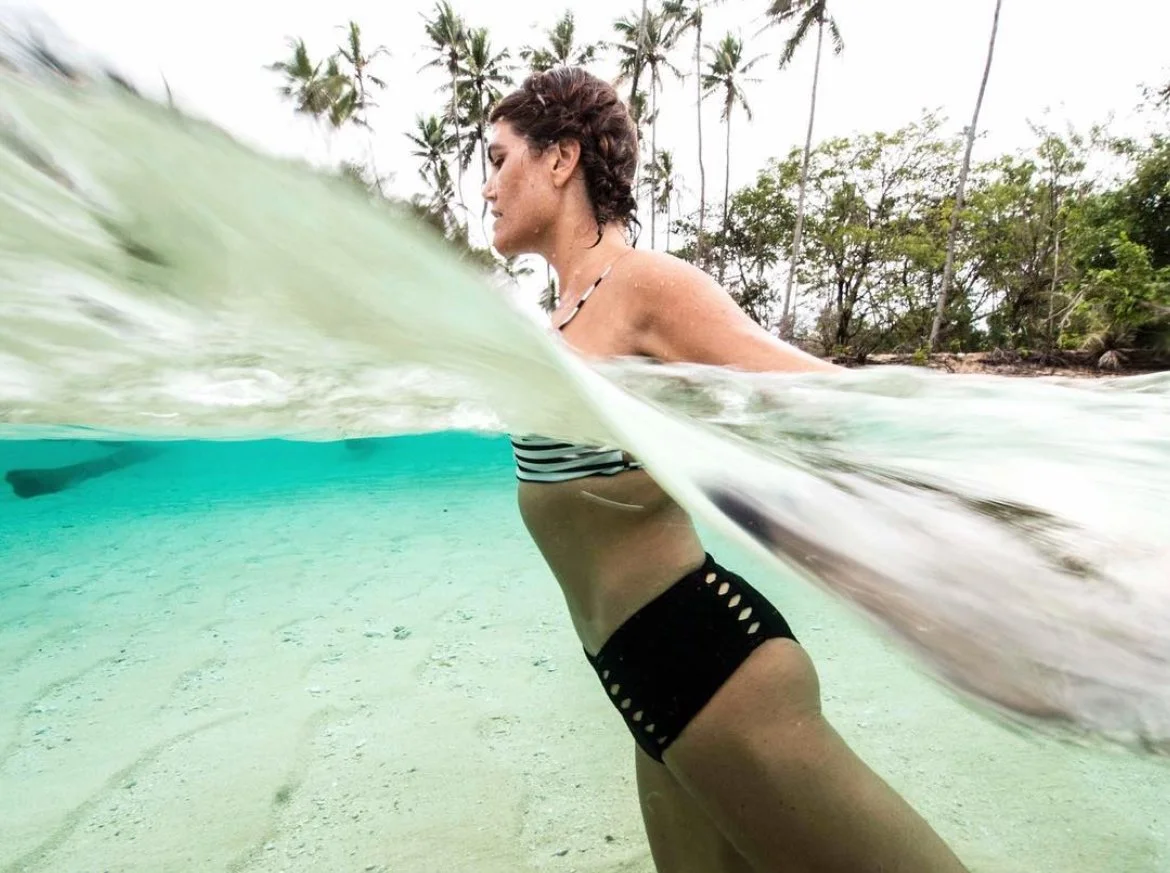
Tess Willcox - Founder
From our curators
The compass
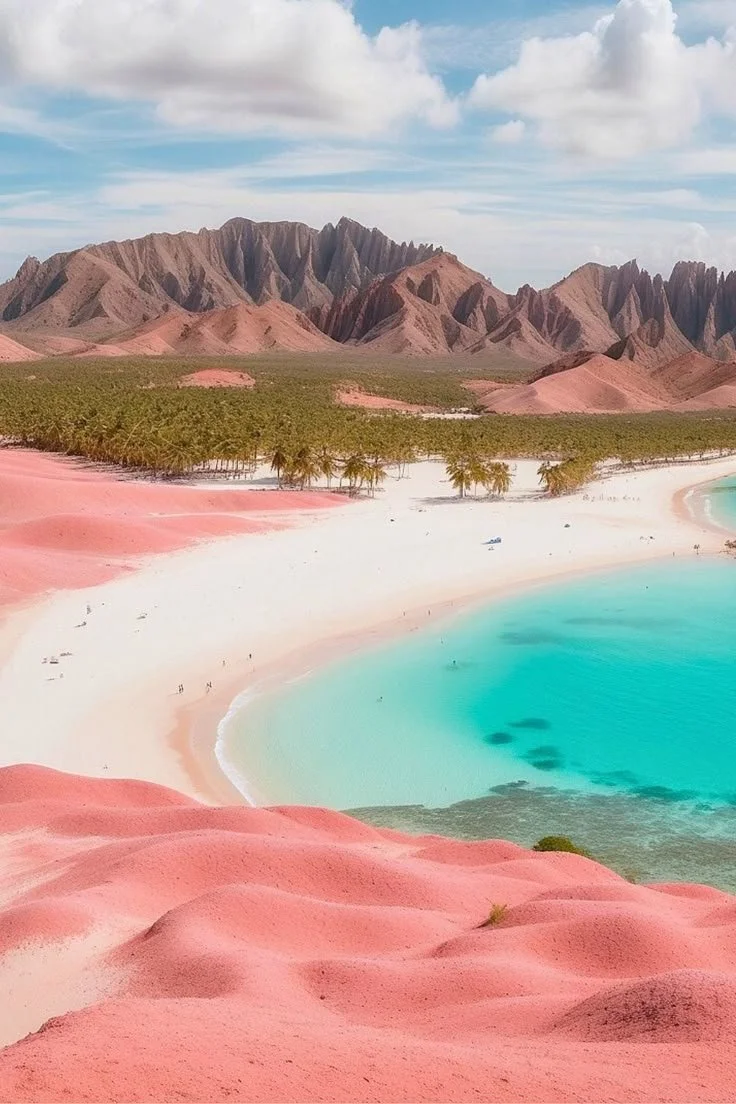
BENEATH THE SURFACE: Spanning over 17,000 islands scattered like emeralds across the equator, Indonesia is the world’s largest archipelago - and its most geologically dramatic. From the volcanic ridgelines of Flores and the white-sand atolls of Anambas to the jungle-cloaked interior of Sumba, each island feels like a different planet stitched together by tide and tradition.
The nation straddles both the Indian and Pacific Oceans and stretches across three time zones, linking Southeast Asia with Oceania. Indonesia’s biodiversity is matched only by its cultural depth - over 700 living languages are spoken across the islands. And no two regions look or feel the same. Raja Ampat hums with coral cathedrals, Komodo pulses with Jurassic energy, and the Gilis glow like a 1970s surf film come to life.
Best When: April – November (dry season with just the right kind of sea-salted humidity).
For Those Who Love: Remote barefoot luxury, cinematic oceanscapes, sea gypsy nostalgia, regenerative initiatives, and a whisper of the wild unknown.
Off Season Magic: December – March unveils moody monsoons, lush revival, fewer tourists, and secret green rituals.
How to Explore: Paddle into mangroves. Island-hop like a 1970s explorer. Sail with no signal. Let the sea and sky guide you.

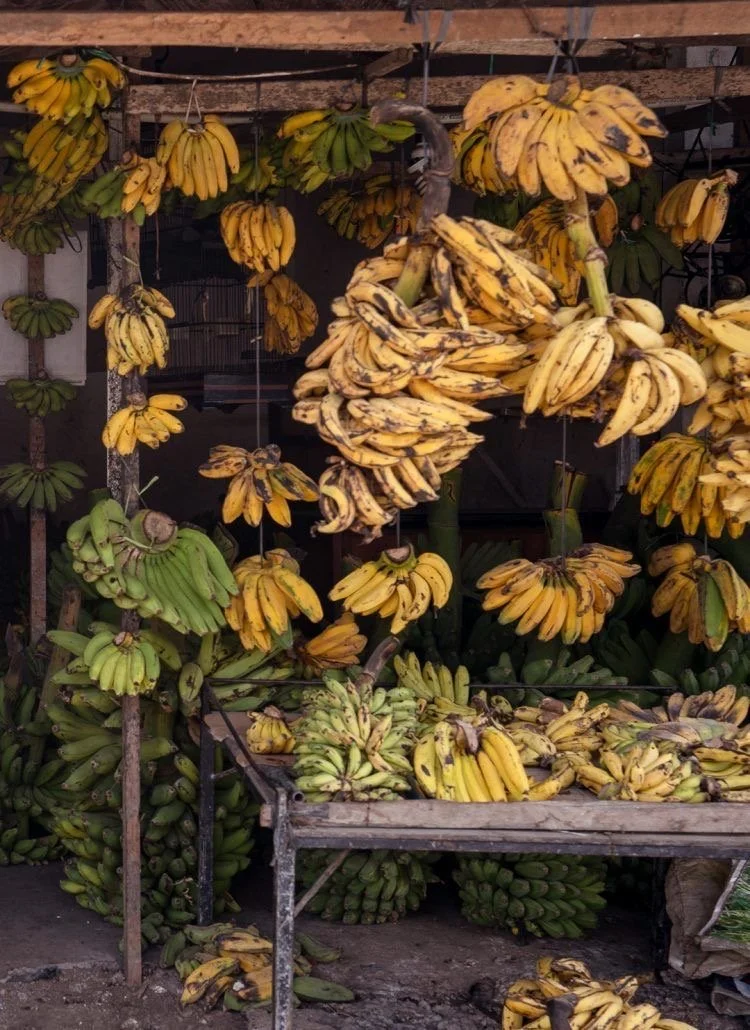
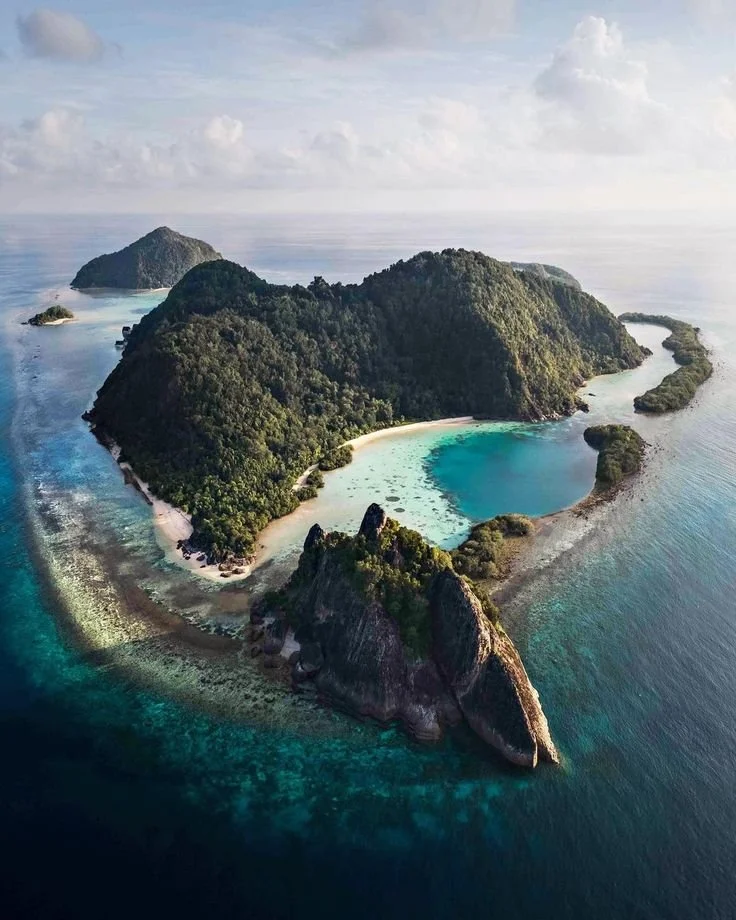
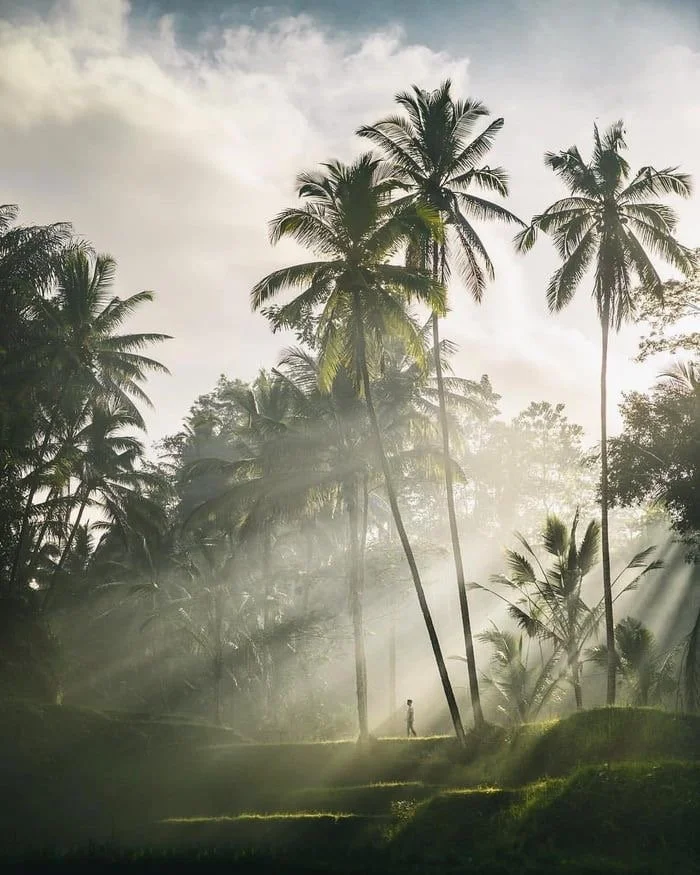
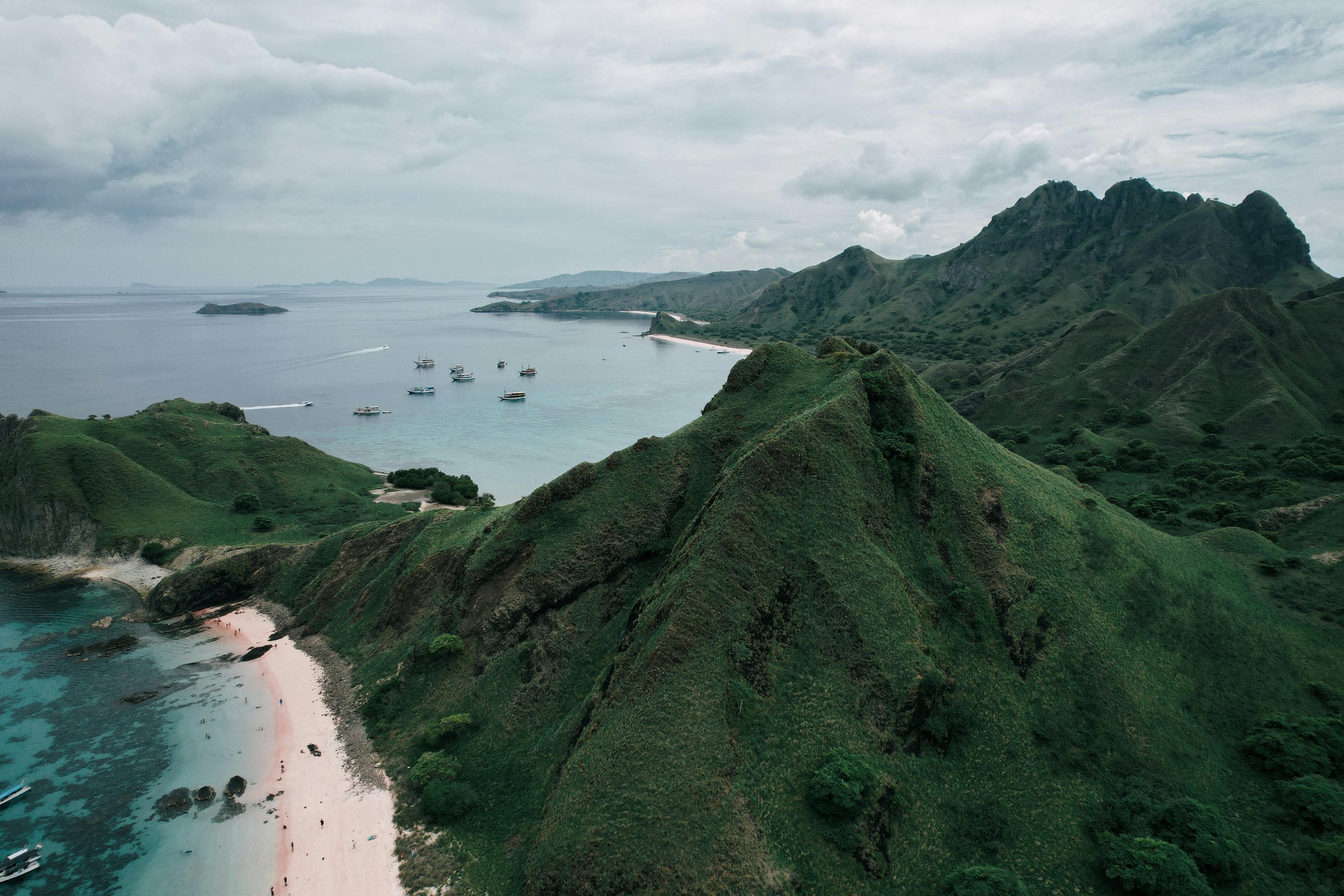
Where jungle whispers meet archipelagic style
There’s an Indonesia that lives beyond Bali. A constellation of islands cloaked in mist, myth, and monsoon. This is not the place for glossy itineraries or pre-packaged peace - it’s for the barefoot rebels, the temple dreamers, the ones who crave the edge of wild beauty with a side of sculpted indulgence.
This is where Indiana Jones meets the It Girl.
It’s sailing through storm-slicked waters with salt in your hair and a Saint Laurent slip in your duffel. It’s jungle paths leading to thatched sanctuaries you won’t find on Google Maps. It’s manta rays at sunrise and mezcal cocktails at dusk, soundtracked by a jungle chorus and your own heartbeat. It’s incense hanging thick in the air as you step barefoot into a weather-worn temple, only to end the day with a candlelit tasting menu served on volcanic stone.
Here, real adventure isn’t loud - it’s luxe, layered, and deeply personal. The kind of slow-burn magic that unfurls over days and stays with you for years.
Beyond the crowds and clichés, Indonesia offers a deeper kind of luxury - slow, textural, and full of story. Think: sun-bleached teak, reef-to-table feasts, regenerative design, and ancestral craft. These stays aren’t just where you sleep - they’re where you rewire.
From Raja Ampat’s cinematic seascapes to Sumba’s ritual-rich earth, the energy here is immersive and raw. Dive into coral cathedrals. Ride horseback into golden silence. Trace stories stitched into handwoven ikat.
You’ll sip coffee roasted just hours before. Speak to weavers who learned from their grandmothers. Swim with creatures whose names you can’t pronounce, but whose presence alters your chemistry.
Our editorial edit isn’t a list. It’s a love letter to an archipelago that rewards those who wander with reverence and arrive without a plan. Pack light. Move slow. Let the sea name your next stop. Let curiosity be your compass. And let chic, conscious hedonism guide the way.
Where to Lay Your Head
Discover our curated portfolio of Indonesian Island stays.

Slow moves: navigating the journey
VISAS
Most citizens must obtain a visa to enter Indonesia. The most common options are:
Electronic Visa on Arrival (e-VOA):
Duration: 30 days
Extension: Can be extended once for an additional 30 days
Application: Apply online before travel via the official eVisa portal
Cost: Approximately IDR 500,000
GETTING AROUND
These islands don’t reveal themselves in a rush. Here’s how to travel slow and spectacular:
𓇼 Seaplane dreams – charter a seaplane to reach remote paradises like Bawah. It’s not just transport - it’s part of the story.
𓇼 Island-hop Like an old soul – domestic flights, wooden boats, jukung outriggers, and speedboats will take you between atolls and archipelagos. Look for local captains who know the tides and the tales.
𓇼 Two-wheel wanders – in Flores, Sumba and the Gilis, mopeds are the move. Pack a scarf, a camera, and no agenda.
𓇼 Ditch the map – embrace the detours. Ask locals. Follow the scent of grilled fish or the sound of gamelan echoing down a dirt track. Let instinct replace itinerary.
Indonesia isn’t made for timetables. It’s made for travellers who know the journey is the destination.
Indonesian spirit & story
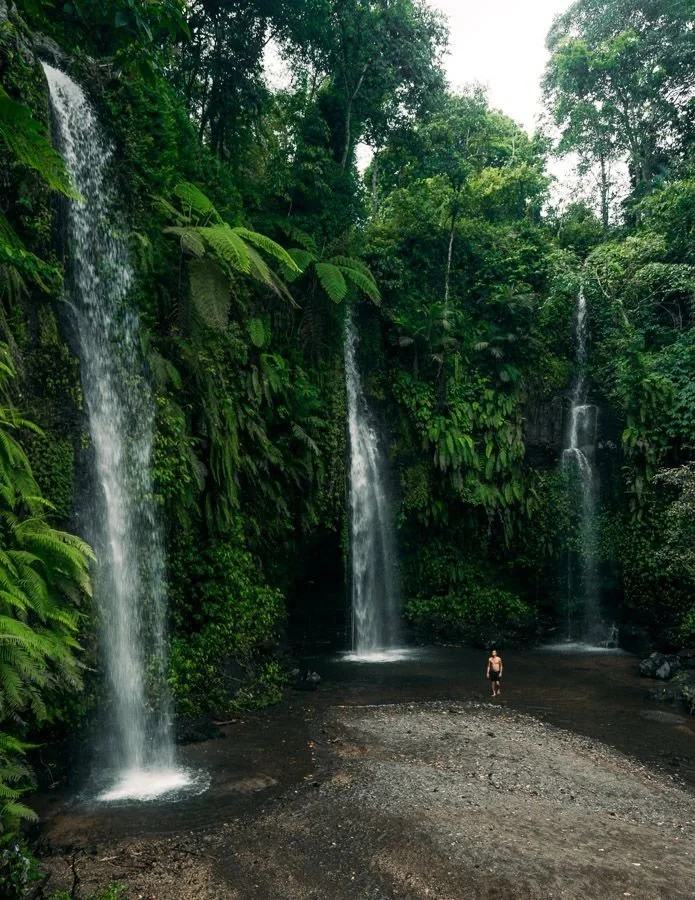
Indonesia is a living mythology. A constellation of cultures stitched across water and time. Each island, a story. Each wave, a rhythm. From the Bajau sea nomads who navigate by starlight to the shamans of Sumba who whisper to the spirits of the land, this archipelago holds traditions deeper than tides.
The spiritual pulse is everywhere; in the scent of frangipani offered at roadside shrines, in the sacred geometry of temple steps, in the ceremonies where dance is a prayer and fire is language.
On Sumba, megalithic tombs stand as reminders of an ancient belief system where ancestors are guardians, and spirits reside in stone. In Raja Ampat, oral histories flow through song and sea, passed down in chants that map the currents. In Flores, villages still gather in sacred plazas to honour the earth with rituals steeped in cosmic balance. Across the archipelago, animism and ancestral reverence shape daily life, not as relics, but as reality.
This is a place where the seen and unseen coexist. Where rituals aren’t performances, but practices. Where respect isn’t requested, but understood. In the stillness of morning light or the echo of a conch shell, you’ll feel it. The presence. The sacred. The invitation to move slower, listen deeper, and walk like you’re being welcomed.
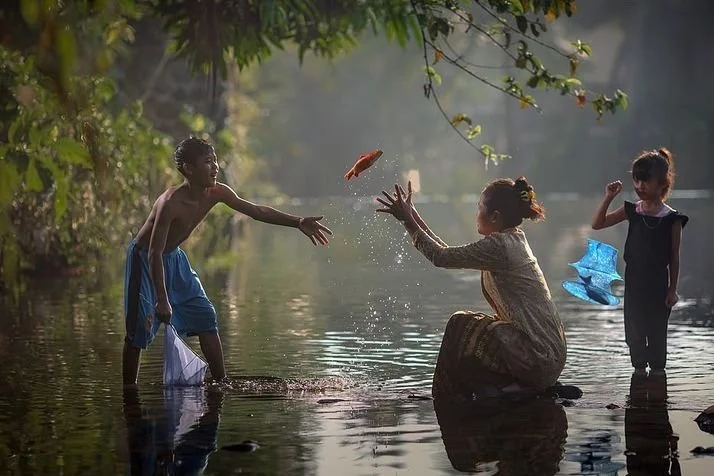
Local voices
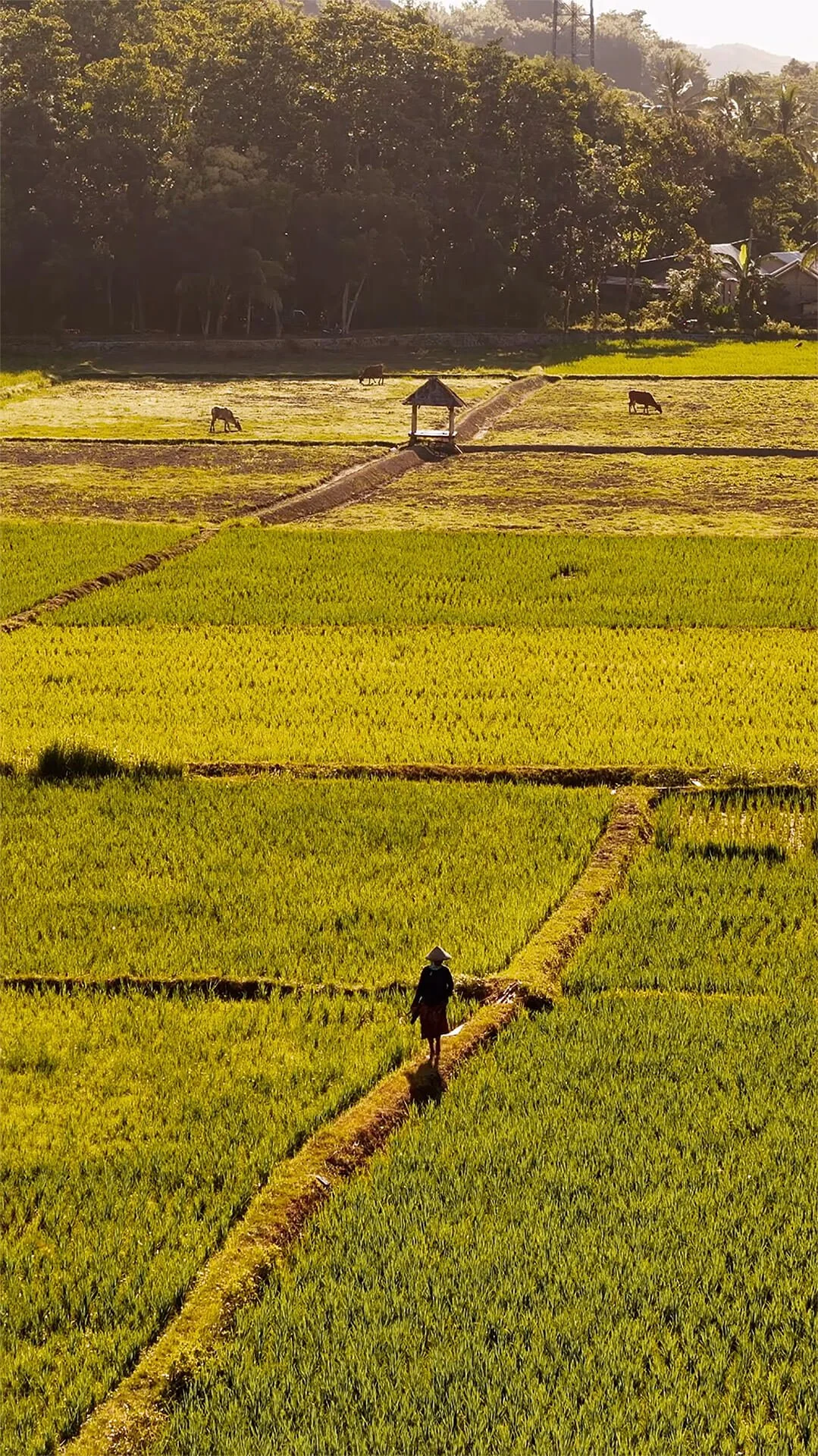
Language, ritual, and rhythm shape identity across the Indonesian archipelago - and every island speaks in its own tongue, both literal and symbolic. Here’s how to listen:
𓇼 “Selamat Pagi” – Good morning. Begin gently. Let the day open like a frangipani bloom.
𓇼 “Terima Kasih” – Thank you. Always said with the right hand and a slight bow of gratitude.
𓇼 “Pelan-Pelan” – Slowly, slowly. It’s more than pace - it’s a philosophy. One we deeply subscribe to.
𓇼 “Laut adalah ibu” – The sea is mother. In coastal communities, the ocean is sacred - a giver, not a resource.
𓇼 “Jalan-jalan” – To wander. To roam. Not to arrive, but to experience.
𓇼 “Adat” – Custom, tradition, law. In many villages, this governs life more deeply than any written code.
Each of these phrases carries more than meaning - they carry memory. Of ancestors, of seasons, of ceremonies and stories. Speak them softly. Let them settle on the tongue like salt air.
And wherever you go, ask someone their story. Then sit long enough to really listen.
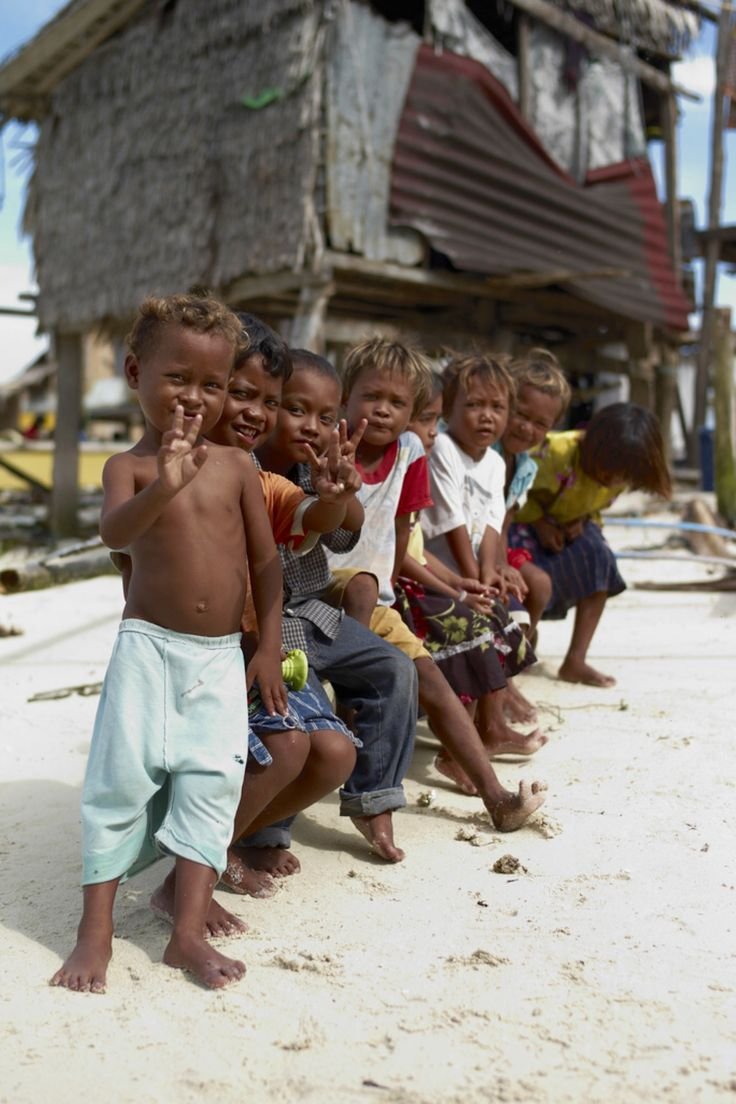
Beauty without blinders
THE ETHICS OF TRAVELLING HERE
To visit these islands is to enter a delicate dance between paradise and reality.
Indonesia is captivating, but it’s also complex. A country of stunning biodiversity and rich ancestral wisdom, but one also facing rising sea levels, resource extraction, and tourism pressure. Some communities thrive on tourism, while others are eroded by it. Climate change isn't a concept here - it’s a tide creeping higher each year.
So how do you show up?
-
• Climate volatility: Rising tides, coral bleaching, and unpredictable monsoons are shifting landscapes - both literally and culturally. Many island communities are adapting in real time.
• Tourism tension: In places like the Gilis or Komodo, tourism has brought both prosperity and pressure. Infrastructure strains under seasonal surges, while ancestral lands are sometimes sacrificed for development.
• Plastic pollution: Despite local initiatives, ocean-bound plastic remains a challenge, especially in remote island chains.
• Cultural sensitivity: Animist and Islamic traditions live side by side in many parts of Indonesia. Modesty, respect, and consent matter deeply.
• Uneven access: Luxury resorts may offer regenerative credentials, but not all local communities benefit equally. Ask questions. Follow the thread.
-
Stay small, stay local – Choose community-led or independently owned eco-stays where revenue circulates locally.
Learn the protocol – Ask about local customs and sacred spaces. On Sumba, for example, some beaches and gravesites are off-limits without ancestral permission.
Eat close to the source – Support warungs, home kitchens, and fishing families who serve what the sea or soil has given them that day.
Speak the basics – A few words in Bahasa or the local dialect go far. They show effort and earn trust.
Offset with action, not just donations – Carry a water filter. Refuse plastic. Volunteer if invited, not imposed.
-
Because done with humility and curiosity, travel here is a bridge - not a burden. It funds reef restoration. It keeps oral traditions alive. It sends a child to school. It shows that another way of moving through the world is possible, one that is regenerative, reverent, and real.
Indonesia doesn’t need spectators. It needs guests who arrive with a full heart and an empty agenda. So we go. Not to consume, but to connect. Not to be served, but to sit beside. Not to take, but to witness.
We go because this isn’t just a beautiful place. It’s a sacred one.
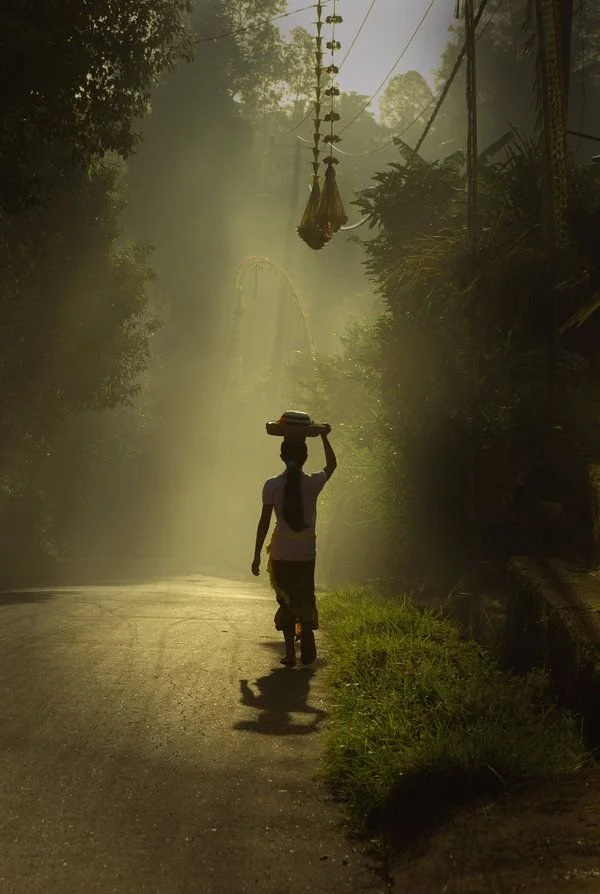
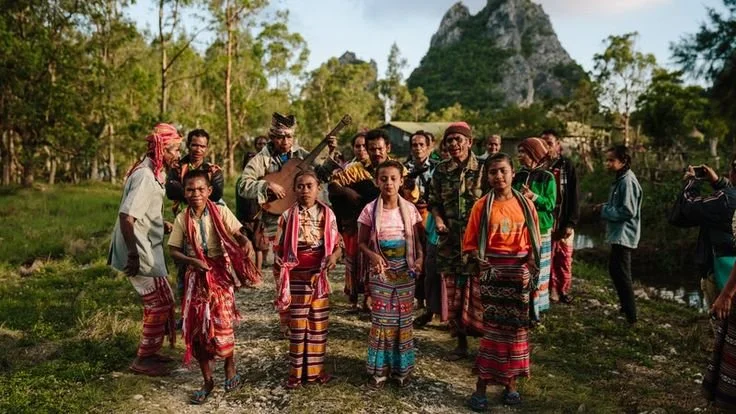
Yes future
Indonesia’s future won’t be written in boardrooms. It’s being shaped right now - on jungle floors, in coral nurseries, at open-air workshops under coconut trees. Across the archipelago, a quiet revolution is unfolding. It’s regenerative. It’s rooted. And it’s rewriting what responsible tourism looks like.
This is where climate meets craft. Where elders and activists, seaweed farmers and slow architects, all play a part in preserving the soul of the islands. Some wear uniforms, others wear sarongs. But they all carry the same mission: protect what still breathes wild.
-
A regenerative education project disguised as one of Indonesia’s most thoughtful eco-stays. SHF trains local youth in hospitality, permaculture, and English, while funding is sustained by their own bamboo-built guesthouses. Every guest directly contributes to a model that empowers the next generation without exporting them elsewhere.
𓇼 Impact: Over 150 graduates working across Indonesia, some now returning to teach.
𓇼 Visit: Dine in their student-run restaurant, book a stay at Maringi, or join a permaculture workshop. -
Based in Sanur but operating throughout the Coral Triangle, this organisation trains coastal communities in reef protection and marine science, including initiatives in Raja Ampat and the Anambas Islands.
𓇼 Impact: Restoration of over 10,000 sqm of coral reef; reef ranger training programs.
𓇼 Support: Donate, volunteer, or attend an ocean storytelling evening at their open-air learning centre. -
A grassroots movement tackling Indonesia’s plastic crisis through decentralised, community-based waste systems. They work with fishing villages, surf communities, and island councils to close the loop on waste without relying on landfill or export.
𓇼 Impact: Circular waste pilots in Flores, Komodo, and the Mentawai.
𓇼 How to Help: Book eco-accommodation partners, reduce your plastic footprint, support their mobile education units. -
Local marine patrol collectives co-founded by fishermen and reef researchers. These self-organised guardians protect no-fishing zones and educate younger generations in marine law.
𓇼 Impact: Reduction in illegal fishing and reef blasting in Raja Ampat and beyond.
𓇼 Where to See It: Ask at Misool Eco Resort or dive centres in Wakatobi for collaborations. -
Preserving the archipelago’s ancient textile traditions through slow-made ikat and backstrap loom weaving. Many of these cooperatives are women-led and tied to land stewardship practices.
𓇼 Impact: Economic autonomy for women, and the preservation of dyeing, weaving, and pattern rituals passed down matrilineally.
𓇼 Connect: Visit cooperatives directly or purchase through verified ethical collectives.
Soundscapes
Curated to mirror the islands’ moods: slow, sultry, surprising. Expect bamboo percussion, oceanic harmonies, and soft soul beats that echo the lull of a lali drum. Press play on our sonic pilgrimage across Indonesia’s archipelago.
Footage by @reza.alfrizi
Styled by SLO
Island-born ease, with a touch of editorial elevation.
Indonesia’s island tapestry calls for a wardrobe that doesn’t just travel well - it moves like water, like rhythm, like ritual. Think sun-baked textures, oceanic hues, and silhouettes that breathe with the breeze.
We’ve curated a single, timeless edit, designed not by the season, but by the mood. Because on these islands, style isn’t just about looking good, it’s about tuning in. To the tides. To the tropics. To the quiet joy of packing only what matters.
Edits for her










Slojourn secrets
-
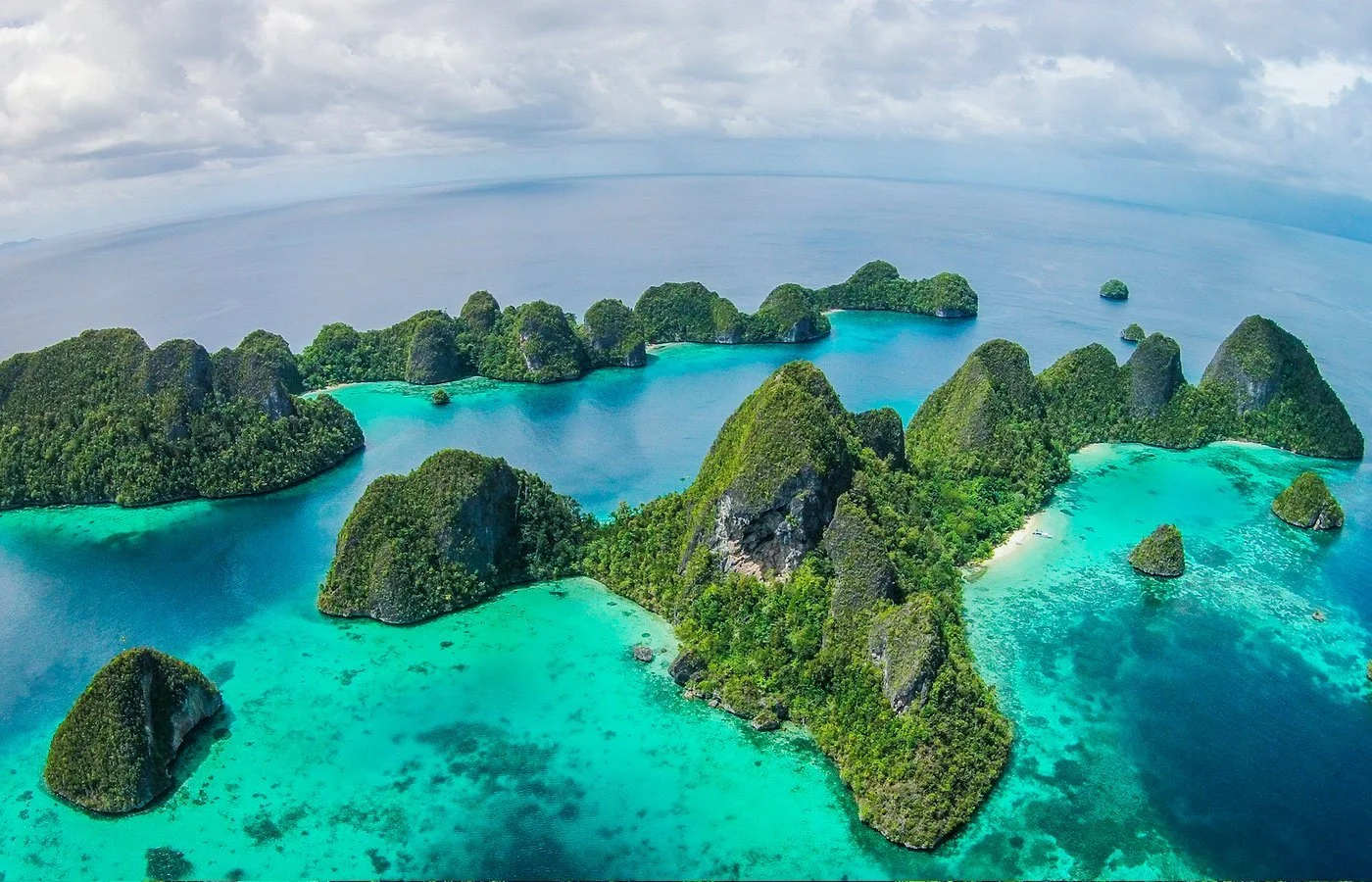
Glide silently across Misool’s turquoise channels at sunrise. Beneath you? A labyrinth of reefs, home to 1,500 species of fish. Above you? Limestone karsts rising like temples from the sea.
-
Ask your host to guide you through the native rewilding path where sea almonds, beach hibiscus and pandanus trees paint an evolving ecological story. Each step reveals the island’s regeneration - both sacred and scientific.
-
Ride horseback along Nihiwatu Beach under a full moon - no filters, no fences, just you, your steed, and the rhythm of hooves on sacred sand. The ancestral energy here is thick; let it guide you.
-
Charter a traditional boat to a hidden sandbar with just a linen umbrella, a seafood spread, and a chilled bottle of Indonesian rosé. You’ll feel like a castaway… in couture.
-
Dig through the antique trunks in your Island House for woven sarongs, brass binoculars, and postcards never sent. Then bike to the island’s northern tip for reef snorkelling where statues meet sea turtles.
Local lowdown
-
Say it to everyone - shopkeepers, fishermen, school kids. It means "good morning", but it really means I see you. This land thrives on warmth exchanged.
-
Whether temple-hopping or island-hopping, respectful dress (especially sarongs and shoulder cover) will gain you deeper access and wider smiles.
-
Opt for canoes, sailboats, and solar-powered transfers whenever possible. It’s quieter, cleaner, and infinitely more poetic.
-
From ikat weavers in Sumba to pearl divers in the Anambas - engage, ask questions, support their craft. But put the phone down. Some moments deserve to stay unposted.
-
Bring your own field gear: a stainless water flask, free diving gear, linen napkin, reef-safe sun balm, and a pocket field journal. The archipelago rewards the prepared wanderer - not the disposable one.
Your curated SLOJOURN check-list for Indonesia
-
𓇼 Come with no agenda too rigid to break.
𓇼 Be open to being surprised, welcomed, and transformed.
𓇼 Speak slowly. Smile freely. Learn the meaning of Vanua. -
𓇼 Linen shirts with a worn-in soul
𓇼 Luxe swimwear for ocean-to-cocktail transitions
𓇼 A reef-safe sunscreen that smells like summer
𓇼 Silk scarf for multi use
𓇼 Books, markers and notebooks for the kiddies in the local villages.
𓇼 A notebook that deserves your stories -
03. Move with Intention – Your Wellness Rituals, Elevated
𓇼 Let the sea be your sauna. Swim every morning.
𓇼 Book a coconut oil massage under the banyan tree.
𓇼 Rise with the village roosters, journal with the sunrise.
𓇼 Try yoga by the tide line - balance, breath, salt. -
𓇼 Freshly grilled fish wrapped in banana leaf—no cutlery needed.
𓇼 Morning markets for mangoes, chillies, and local gossip.
𓇼 Cassava chips and cold beer at sunset.
𓇼 Share kava with reverence. Say “bula” before every sip. -
𓇼 Ask how you can support, not what you can consume.
𓇼 Visit women-led markets and grassroots cooperatives.
𓇼 Offset your carbon, but also your presence—with gratitude.
𓇼 Leave something behind: a tree, a lesson, a connection.
Indonesia. You surprise us.
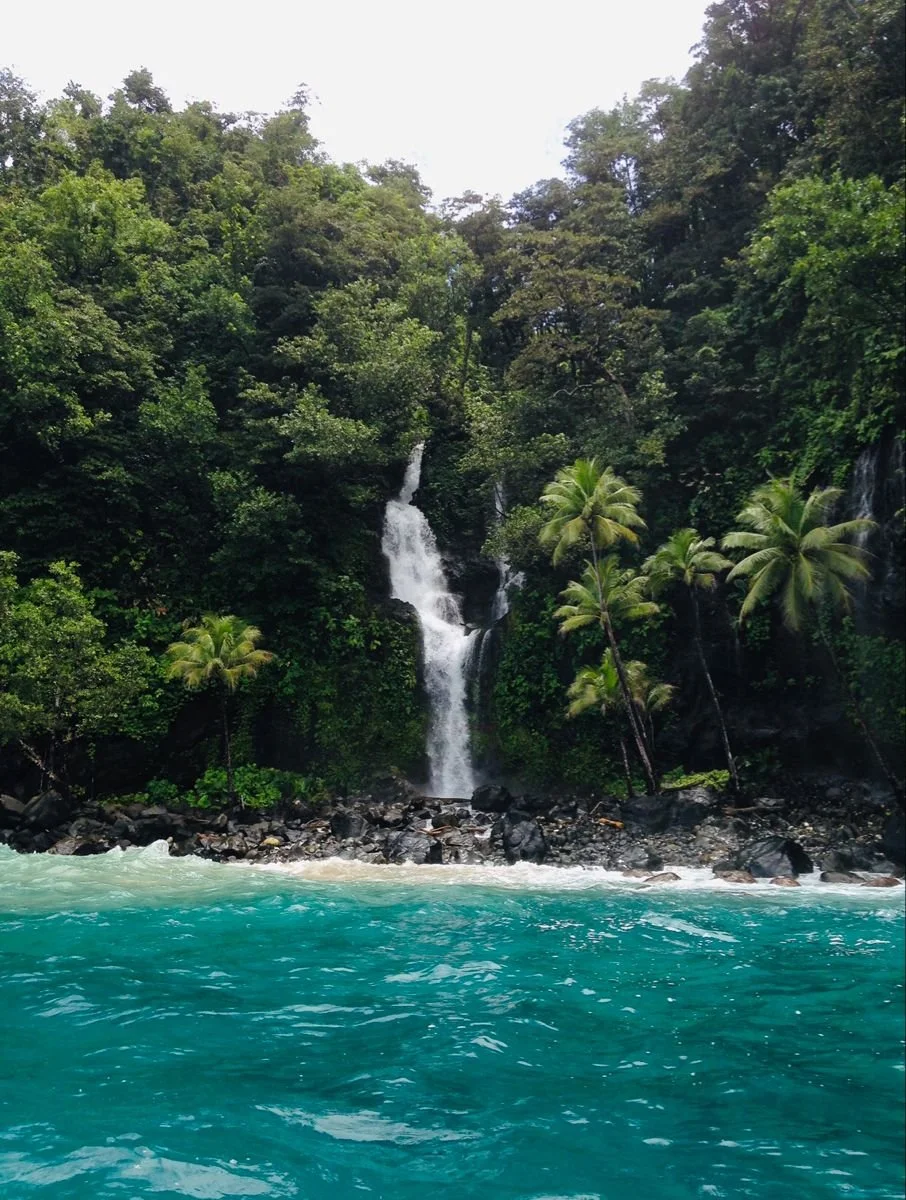
You show us what it means to live in deep connection - with nature, with community, with something far older than ourselves. On your shores, we’re welcomed not as visitors, but as part of something shared. There’s a generosity in your rhythm: in the reef’s quiet resilience, in the soft fall of tropical rain, in the way rituals are passed down with grace and open palms.
Love always -
The SLOJOURN team
Kindred places: we’re obsessed…