You’ve landed in…

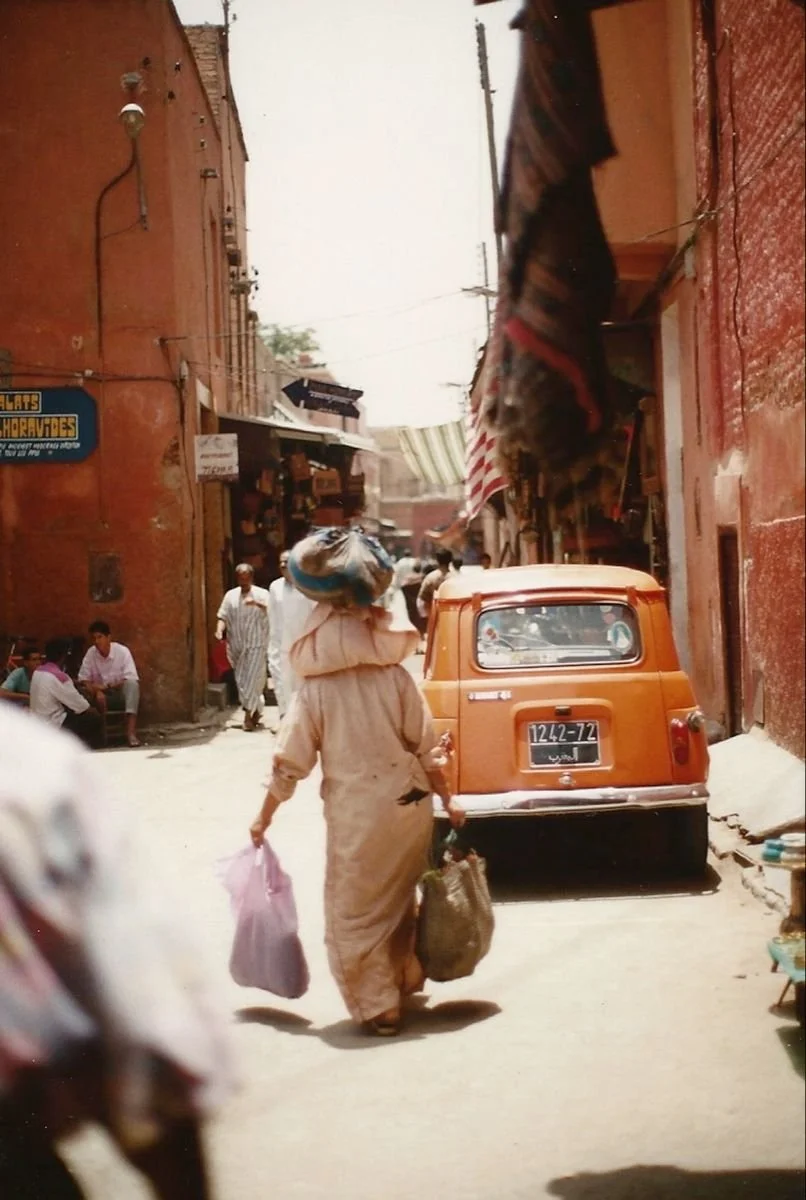
MOROCCO
A Slow Travel Guide for Morocco
“Morocco isn’t just a place you visit, it’s a place that seduces you. A place that lingers in your senses long after you leave. I first came to Morocco 15 years ago expecting a whirlwind, and instead, I found a deep, unshakable pull. Every moment here feels cinematic, like stepping into a world where time is measured in golden hours and stolen glances over brass teapots. Morocco doesn’t demand to be understood; it asks to be felt, in its absolute sensory assault of beauty.”
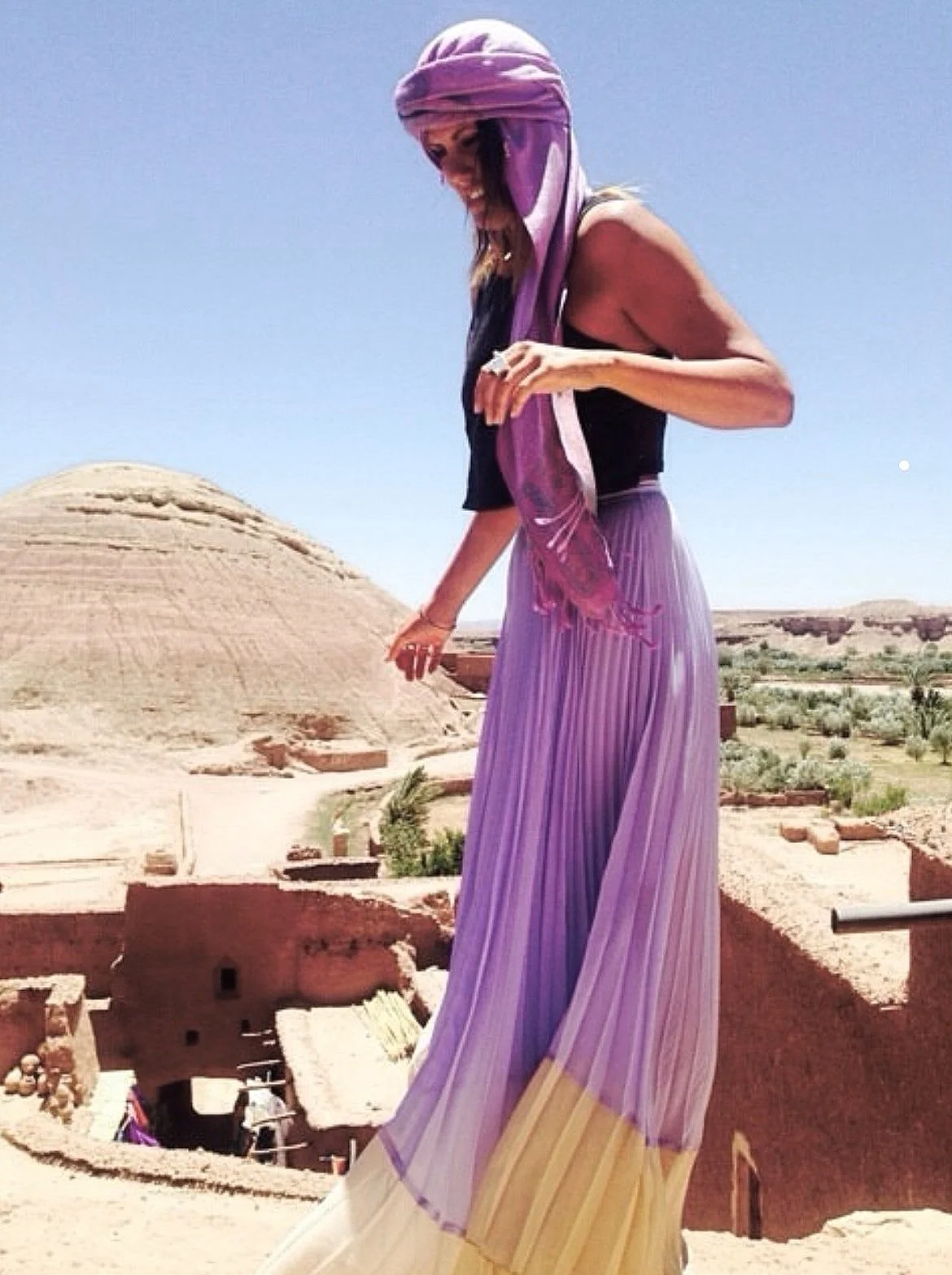
Tess Willcox - Founder
From our curators
The compass
BENEATH THE SURFACE: Morocco unfolds like a mosaic; each tile telling a story of empire, earth, and enchantment. From the High Atlas to the Sahara’s golden hush, the snow-dusted north to the palm-lined oases of the south, this land is a collision of worlds: Berber, Arab, Andalusian, and French. Wander medinas older than memory. Sip mint tea under jasmine vines. Trace zellige tiles like a prayer.
Bordered by the Atlantic and the Mediterranean and anchored by the spine of the Atlas Mountains, Morocco is a kingdom shaped by migration and myth. It holds four seasons in a single stride. Cool in the Rif, sun-drenched in Essaouira, wild in the dunes. And with every turn comes a shift: from date palms to desert moons, from perfume markets to call-to-prayer echoes that hang in the air like silk.
BEST WHEN: March – May, September – November (Sun-warmed days, cool nights, and the souks at their most electric).
FOR THOSE WHO LOVE: Golden dunes, hidden riads, spice-laced air, and high-design escapes.
OFF SEASON MAGIC: June – August (Scorching but empty - perfect for private desert nights and poolside slow days).
HOW TO EXPLORE: Wander first, plan later. The best finds are unmarked, unlisted, and unforgettable.

Where ancient soul
meets modern seduction
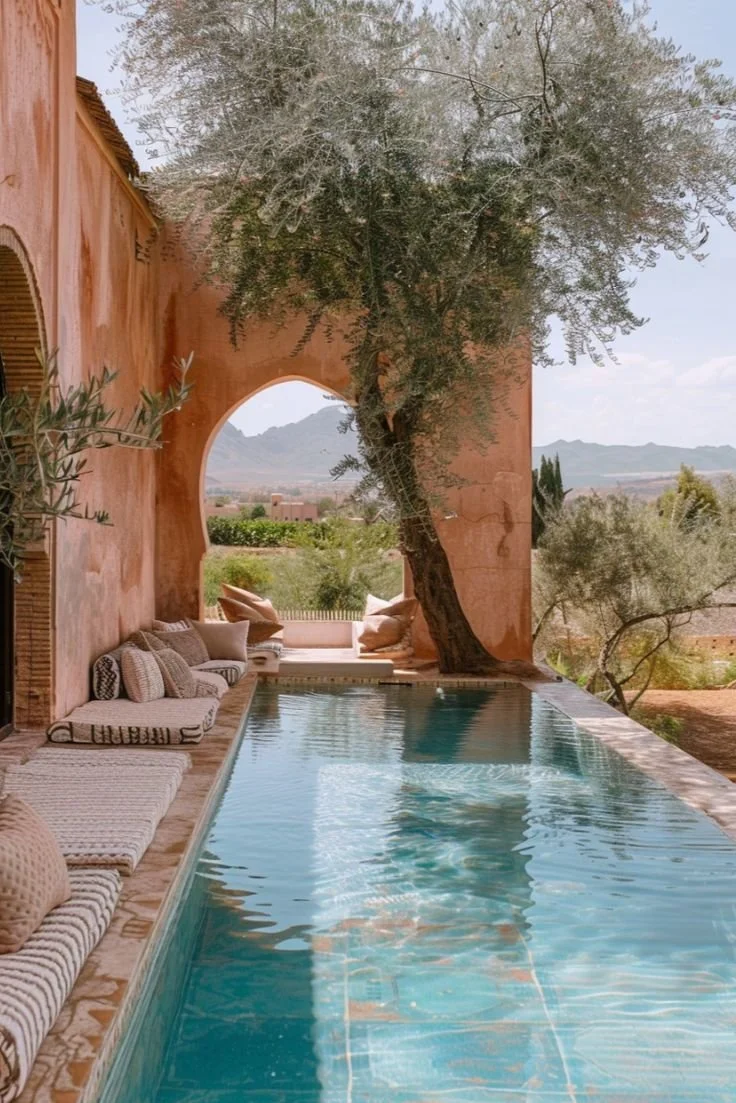
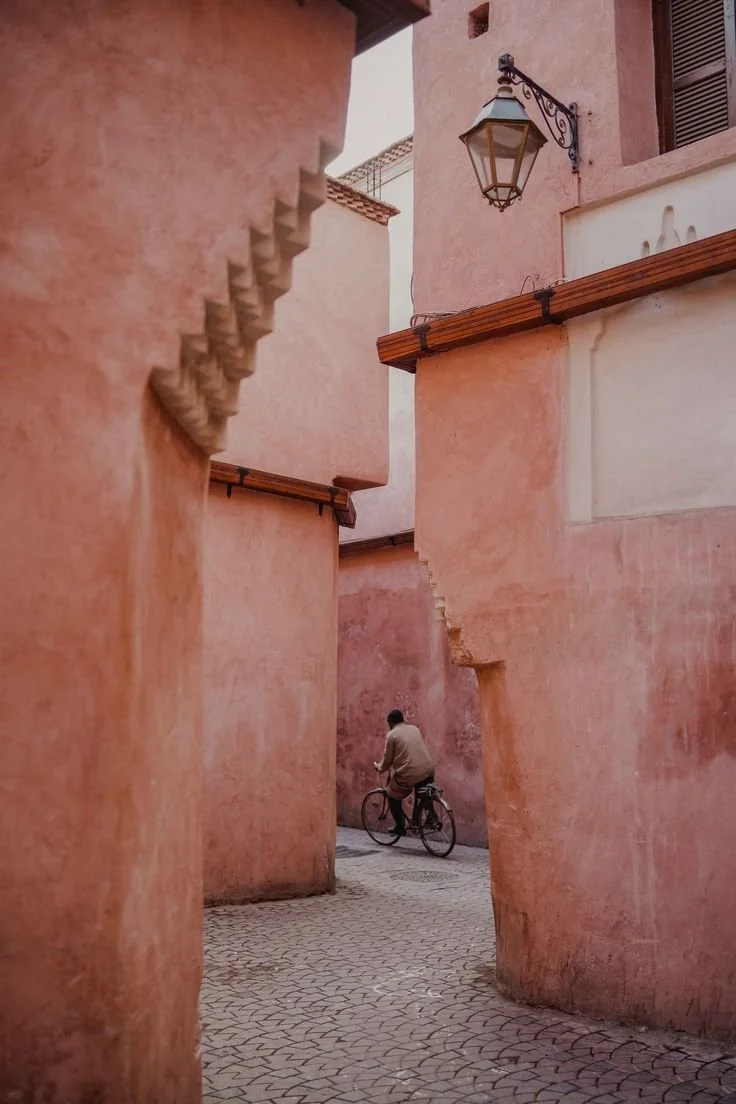
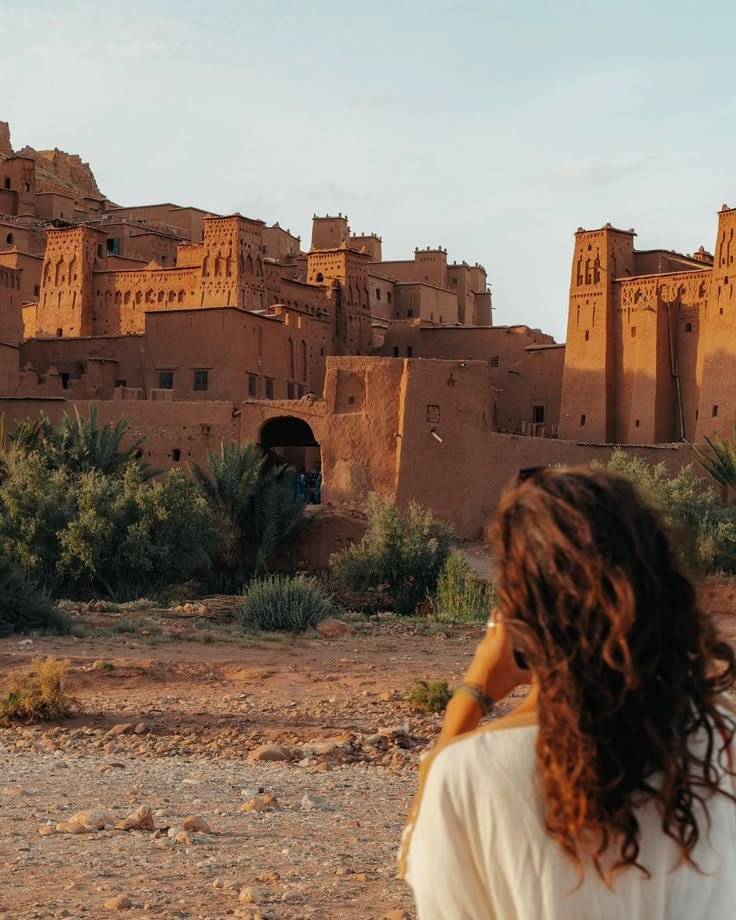
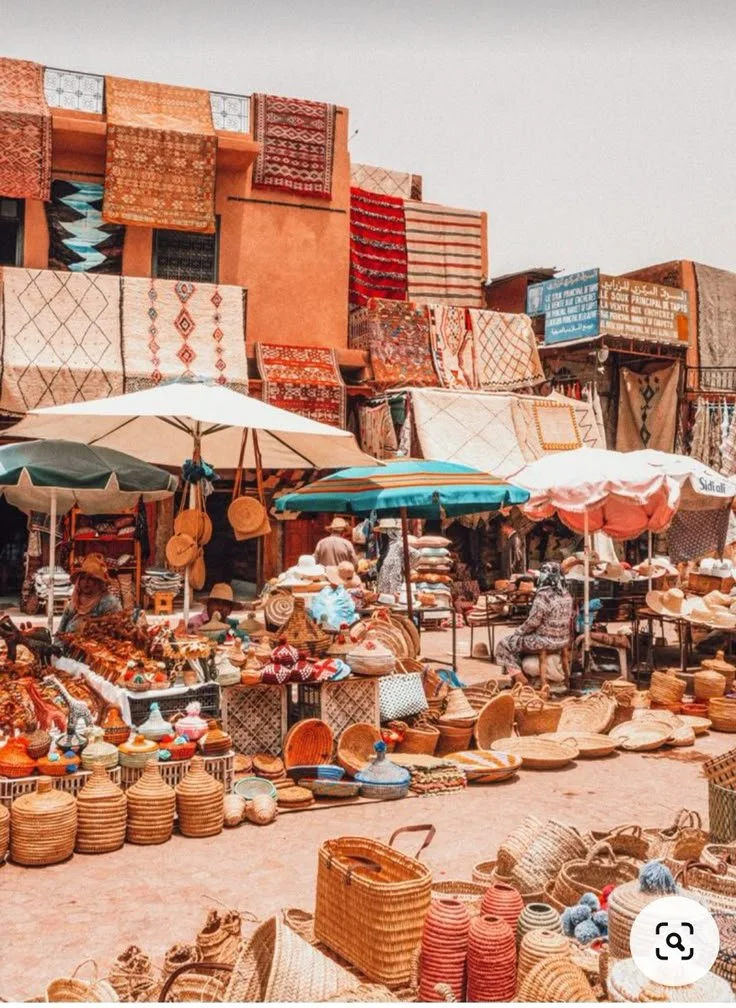
Morocco isn’t just a destination, it’s an immersion. A place where every sense is heightened, where colour, sound, and scent collide in a way that’s both intoxicating and deeply grounding. To step into Morocco is to enter a world that moves to its own rhythm - one shaped by storytellers and artisans, by Berber nomads and spice traders, by the winds that sweep across the Sahara and the tides that kiss the wild Atlantic coast.
Here, time moves fluidly, caught between the echoes of the past and the pulse of modern creativity. The cities hum with energy, the chaos of the souks, the hypnotic call to prayer, the clash of copper being hammered into lanterns. Yet beyond the medinas, there’s stillness; the endless dunes of the Sahara, the silent majesty of the High Atlas, the coastal calm of Essaouira, where the air tastes of sea salt and cedarwood. Morocco is a country that reveals itself in layers, asking you to slow down, to lean in, to lose yourself in its contrasts.
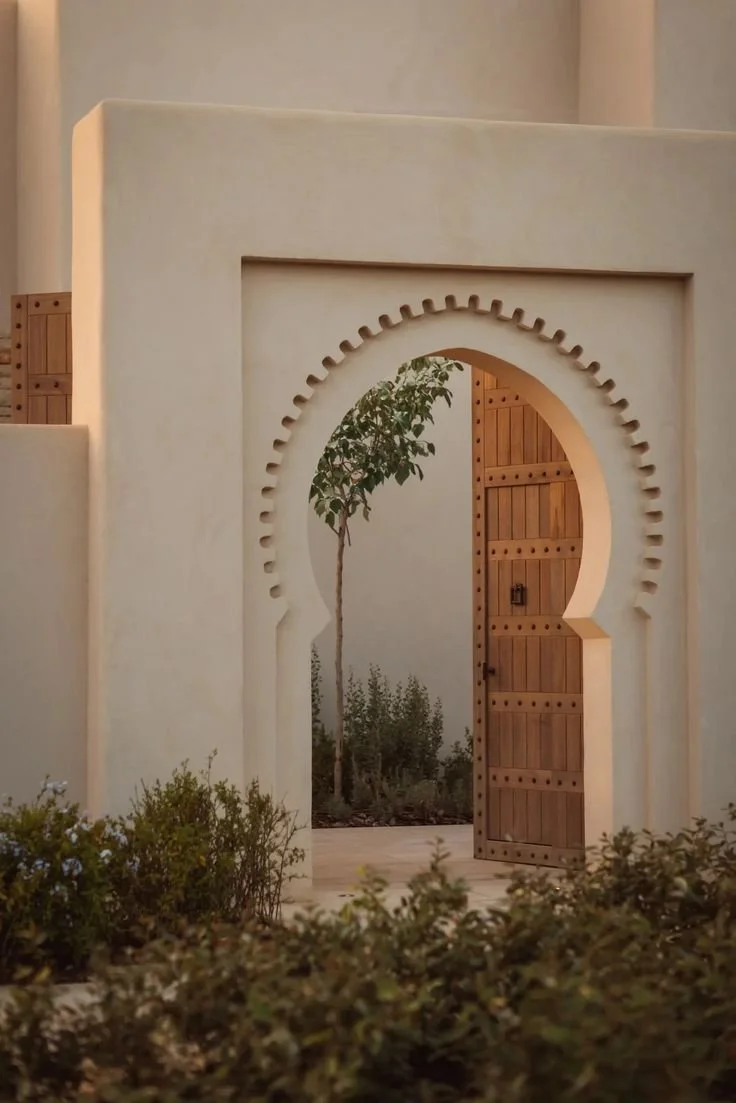
At SLOJOURN, we have curated Morocco for those who seek to explore with depth and deliberation. This isn’t about ticking off landmarks. It’s about feeling the texture of the tadelakt walls under your fingertips, running your hands across handwoven carpets, and sipping mint tea on a riad rooftop as the city glows beneath you.
It’s about staying in places where time slows, where design is rooted in centuries of craft, where hospitality is an art form, and where every element, from the ceramics to the cedar beams, holds a story.
And it’s about moving with respect. Morocco is a place where tradition and innovation dance together, where heritage isn’t just something to be preserved but something that breathes and evolves. To experience it fully, you must embrace its pace - whether that means wandering through the ancient kasbahs of Fez, following a Berber guide through the dunes on camelback, or letting a local spice master teach you the alchemy of ras el hanout.
This is a land where rituals shape daily life; where tea is poured from great heights, where hammam steam carries centuries of purification traditions, where carpets aren’t just decor, but a language of their own. And as the sun dips behind the ochre walls of Marrakech, you’ll realise that Morocco is not a place you pass through. It’s a place that moves through you.
Welcome to Morocco, as seen through the SLOJOURN lens. Where every moment is an invitation to feel more deeply, wander more freely, and experience more meaningfully.
Where to Lay Your Head
Discover our curated portfolio of Moroccan stays.
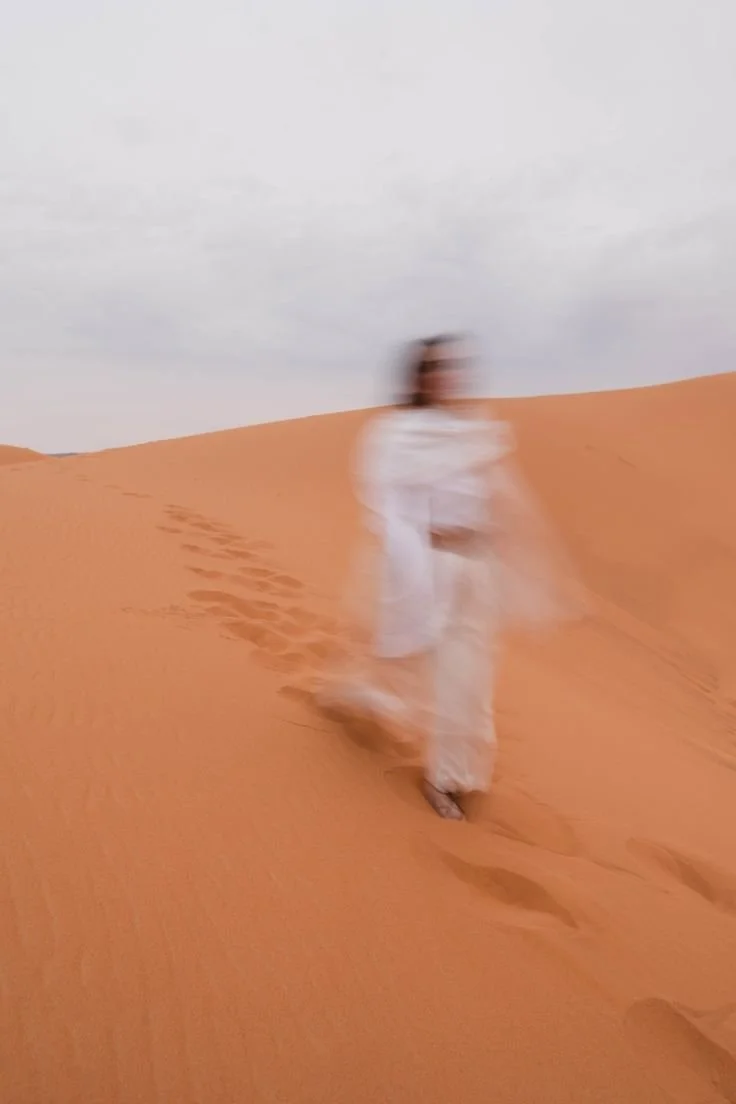
MOROCCO’S BEATING HEART
Morocco is a study in contrast, where the chaos of the medina dissolves into the serenity of a desert night, and where age-old customs thrive alongside avant-garde creativity. This is a land where stories are woven into hand-dyed carpets, whispered in ancient kasbahs, and sung by desert nomads beneath a canopy of stars.
Slow moves: navigating the journey
Visa-Free Entry (Up to 90 Days)
Citizens of the UK, US, EU, Canada, Australia, New Zealand, UAE, and many others can enter Morocco without a visa for stays of up to 90 days.
𓇼 Private Drivers & Transfers - The most seamless way to move between destinations. Our preferred partner offers luxurious, locally connected guides who can weave magic into your itinerary.
𓇼 Self-Drive Adventure - If you crave independence, rent a car and navigate the High Atlas switchbacks and coastal roads at your own pace.
𓇼 Trains & Buses - The train network between major cities is reliable and comfortable, while CTM buses take you further afield (though, expect charming chaos).
𓇼 By Foot, Motorbike & Horseback – Some places - like the medinas or Sahara dunes - are best explored the old-fashioned way.
Moroccan spirit & story
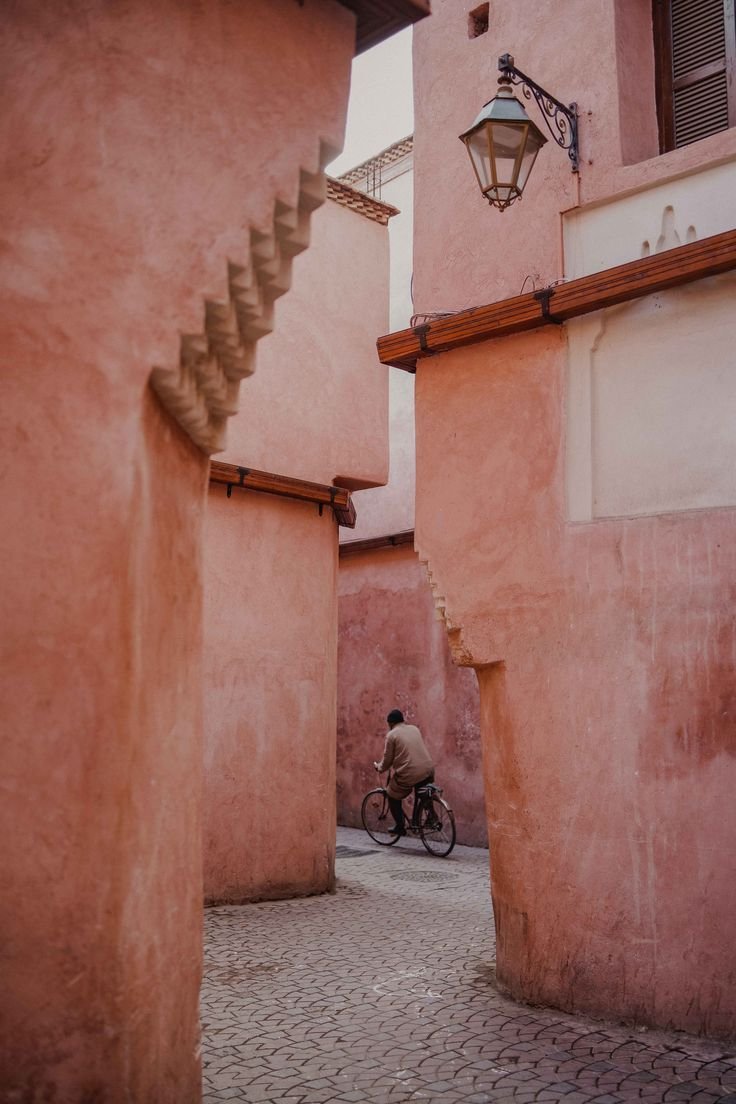
From the moment you step into Morocco’s embrace, the senses ignite. The land speaks not in one voice but in many - desert winds sweeping across the dunes, the rhythm of hooves on mountain paths, the slow swirl of mint tea poured from silver height. In this place, time folds in on itself. Yesterday and tomorrow feel less important than the sacred texture of now: the warmth of tiled courtyards, the flicker of lanterns, the call to prayer echoing from ancient minarets.
Here, culture is not curated - it is lived. In the souks where trade is theatre. In the hammams where steam carries secrets. In Amazigh villages where traditions are passed down not as heritage, but as inheritance. Morocco doesn’t just preserve its history - it breathes through it, reworking the old into the everyday with grace and grit.
This is a land of sacred hospitality, where guests are honoured with sweetness and ceremony, and where every gesture carries the weight of ancestral memory. Faith and folklore exist side by side. Sufi music spills into alleyways like incense. In the High Atlas, stories are still told by firelight. On the coast, fishermen chant to the sea before dawn. Whether in the silence of the Sahara or the pulse of Marrakech, Morocco teaches you how to listen.
There is no single Morocco. It is plural by nature - Arab, Amazigh, African, Andalusian - braided together like the intricate zellige beneath your feet. And when you leave, you do not feel as though you've finished something. You feel as though you've been initiated into a story that continues without you, but welcomes you back any time.
Morocco doesn’t slow you down. It deepens you.
Local voices
Language, music, and myth braid together in Morocco like threads in a hand-woven rug - rich with symbolism, shifting in the light.
𓇼 “Salam Alaikum” – Peace be upon you. The greeting that begins every encounter with grace. Say it with intention; it opens more than conversations - it opens hearts.
𓇼 “Shukran” – Thank you. Simple, essential, sincere. Often accompanied by a hand to the chest - a gesture of true gratitude.
𓇼 “Inshallah” – God willing. A phrase that softens the edges of time and control, embracing uncertainty with faith and patience.
𓇼 “Baraka” – Blessing. A quiet word passed between generations, believed to carry spiritual power and ancestral protection.
𓇼 “Saha” – To your health. Shared over meals, after mint tea, in moments of celebration or connection.
Beyond the words, Morocco hums with sound. The trance rhythms of gnawa music echo through desert nights, threaded with spiritual chants and ancient healing. Andalusian melodies linger in the courtyards of Fes, while Amazigh instruments keep time with mountain winds. Press play on a traditional malhun ballad, close your eyes, and let Morocco’s oral poetry guide you - not just across landscapes, but through centuries of soul.
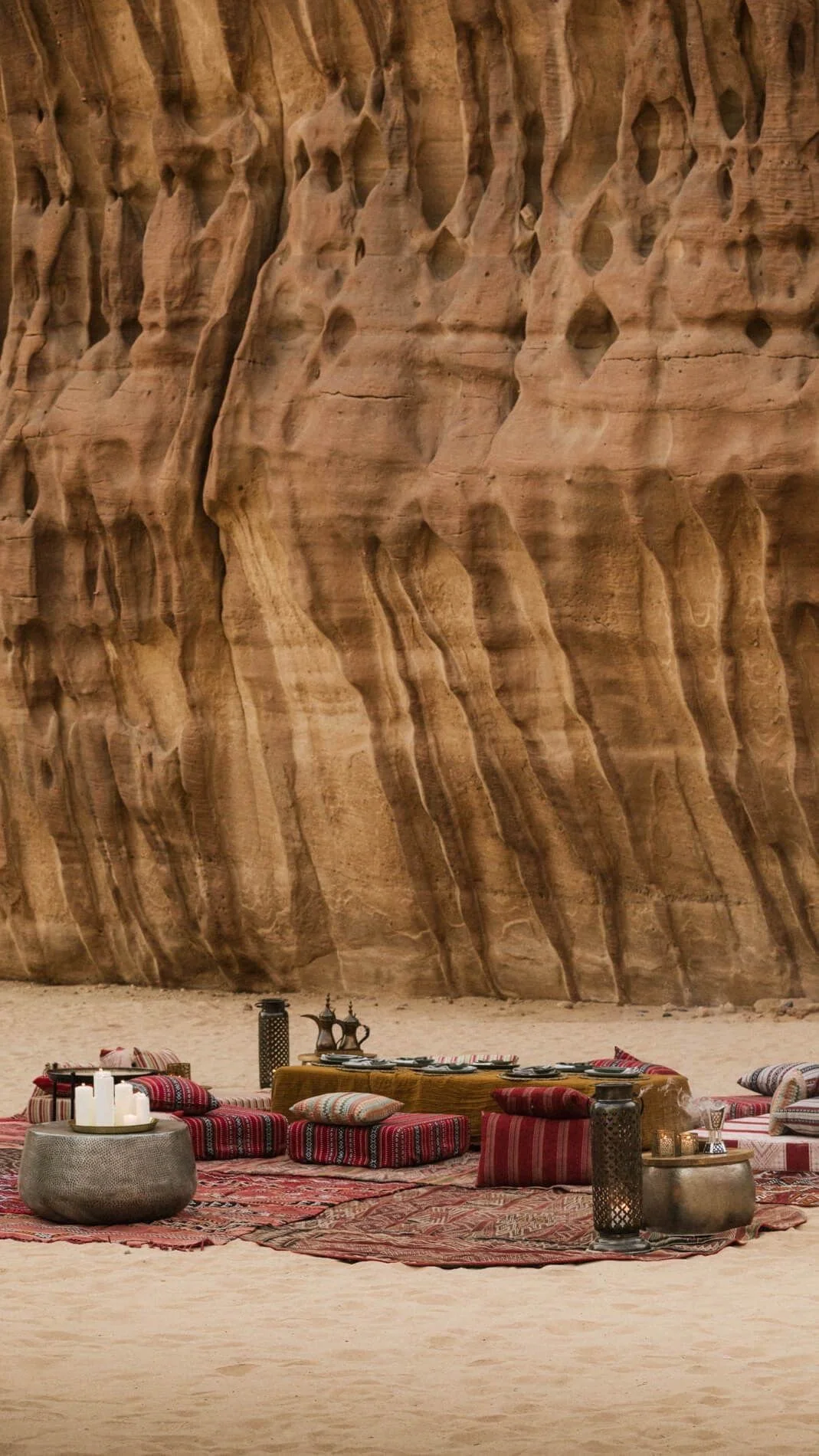
Beauty without blinders
THE ETHICS OF TRAVELLING HERE
Travel here with humility, curiosity, and conscious care.
Morocco is dazzling - layered in colour, rhythm, and ritual - but beneath its beauty lies complexity. It is a country of deep cultural pride and spiritual richness, yet one that continues to grapple with socio-economic disparity, rural marginalisation, gender inequities, and the pressures of modern tourism on fragile environments and traditions.
To walk its medinas and mountains is to enter a land of living heritage - Berber, Arab, Jewish, Andalusian - all coexisting in a delicate weave of past and present. But travellers are not neutral in that weave. Every choice you make; where you stay, how you dress, what you photograph, who you support, ripples through communities.
So the question is not simply “What will I experience?” but rather, “How can I honour what I encounter?”
-
Post-earthquake recovery: In 2023, a devastating earthquake struck the High Atlas Mountains, severely impacting rural Amazigh communities. While Marrakech has largely recovered, many mountain villages are still rebuilding. Tourism brings income and solidarity—but also needs to be thoughtful and sensitive to ongoing recovery efforts.
Economic disparity: Morocco’s tourism sector plays a major role in national income, yet the benefits are unevenly distributed. Rural communities, street vendors, artisans, and small businesses often operate on precarious margins, while luxury development accelerates. Be aware of where your dirhams go.
Cultural conservatism: While Morocco is warm and welcoming, it remains a predominantly Islamic society with deeply rooted traditions. Public displays of affection, revealing clothing, and certain topics of conversation (such as the monarchy, religion, or Western politics) may be considered inappropriate or disrespectful.
Climate pressure: From droughts in the south to flash floods in the north, Morocco is facing growing climate volatility. Desertification threatens farmland. Water scarcity affects both people and ecosystems. As tourism grows, so does strain on these delicate resources.
-
1. Choose depth over display
Don’t skim Morocco’s surface for photo ops. Linger in local spaces, take tea without agenda, and engage in slow, respectful dialogue. Let nuance replace narrative.2. Uplift the margins
Stay at riads and guesthouses owned by locals or cooperatives. Support Amazigh-run treks. Buy direct from female artisans, weavers, and collectives who rarely get a seat at the tourism table.3. Honour the sacred
Dress modestly, especially in rural areas and religious sites. Ask before photographing people—particularly women. If invited into a home or ceremony, approach with humility and gratitude, not entitlement.4. Offset mindfully
The desert isn’t just a backdrop—it’s a fragile biome. Support eco-conscious properties and initiatives restoring oases, reforesting cedar forests, or conserving water. Avoid over-touristed camel rides or quad biking that damages dunes.5. Understand the story isn't yours to tell
Let locals shape the narrative. Morocco holds multitudes—Amazigh, Arab, Jewish, Sahrawi, Andalusian. Read beyond Western travel blogs. Listen deeply. Share carefully. -
Because when done with care, tourism sustains more than economies—it preserves heritage, restores dignity, and opens doors to understanding that no screen or story ever could.
To travel in Morocco is to walk centuries of living history. To sip mint tea beneath carved cedar ceilings. To trace calligraphy etched in zellij tile. To be invited, if you are respectful, into a world that pulses with poetry, pride, and profound hospitality.
We don’t go to consume Morocco. We go to connect. To witness. To learn.
Luxury here isn’t just found in hammams or handwoven rugs. It’s in the quiet privilege of presence—the kind that asks nothing but gives everything in return.
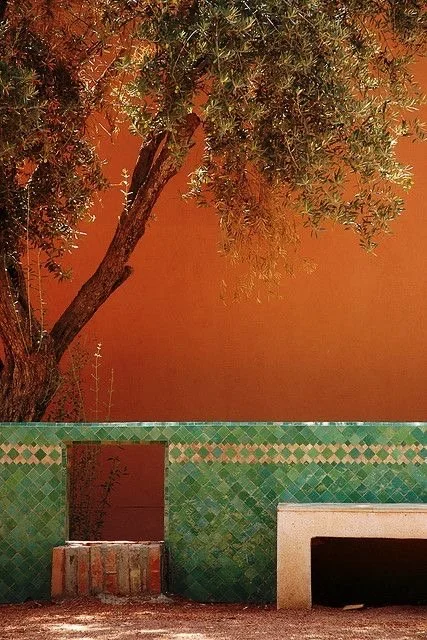
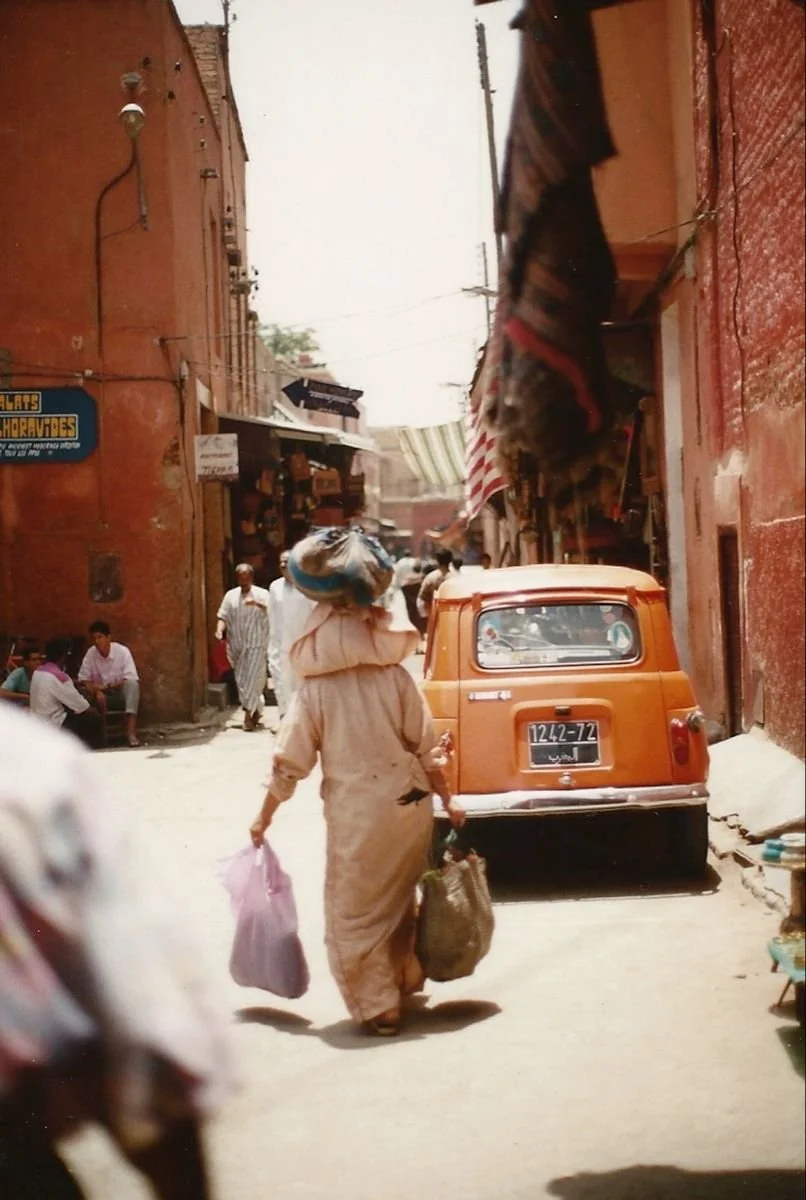
Yes future
Morocco’s beauty is as fragile as it is mesmerising - but local communities and conscious travellers are working together to preserve its landscapes, traditions, and cultural heritage.
-
The fragile desert ecosystem is being restored through sustainable agriculture and date palm conservation projects.
-
In Marrakech and Fez, heritage preservation programs are restoring centuries-old riads, artisan workshops, and hammams while ensuring communities remain at the heart of the transformation.
-
We only recommend eco-conscious Sahara experiences that protect nomadic traditions, ensure ethical camel trekking, and preserve the fragile desert landscape.
-
From Berber weaving collectives to female-run cooperatives, Morocco’s craftsmanship is thriving. Buying directly from makers ensures that these traditions endure.
Soundscapes
The art of slow travel begins with setting the mood. Press play on our destination-inspired playlists and let your mind wander to far-off shores.
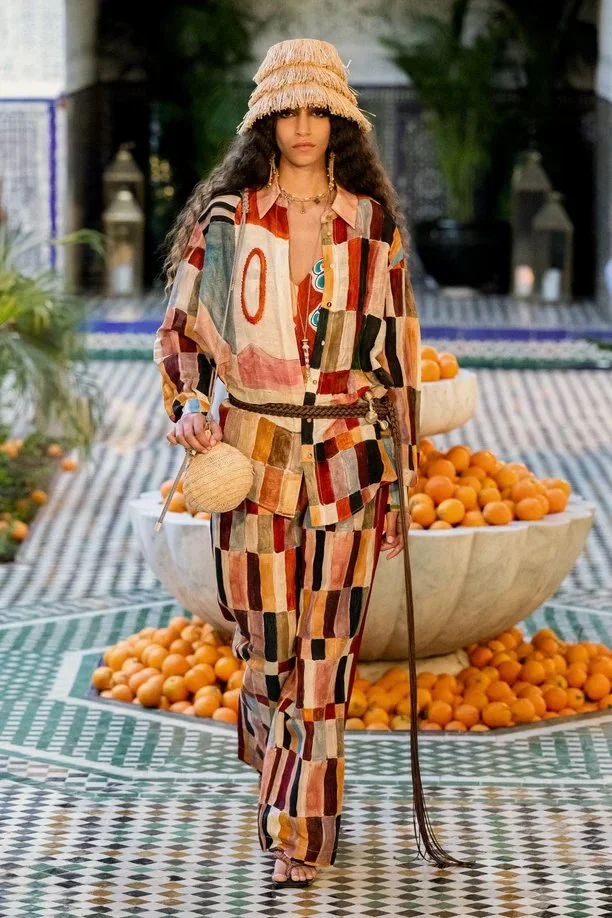



Slojourn secrets
-
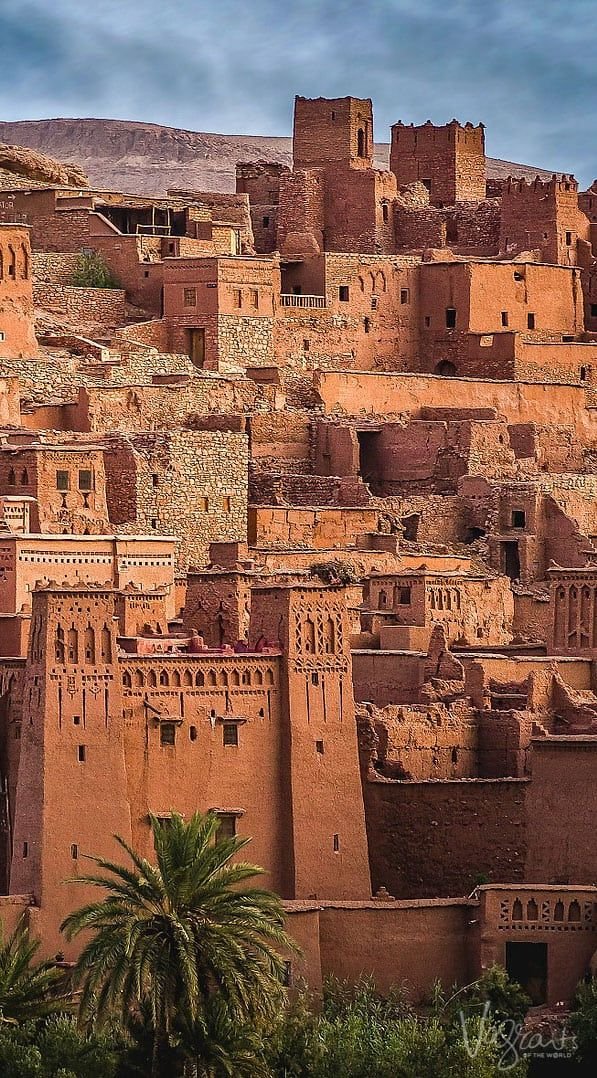
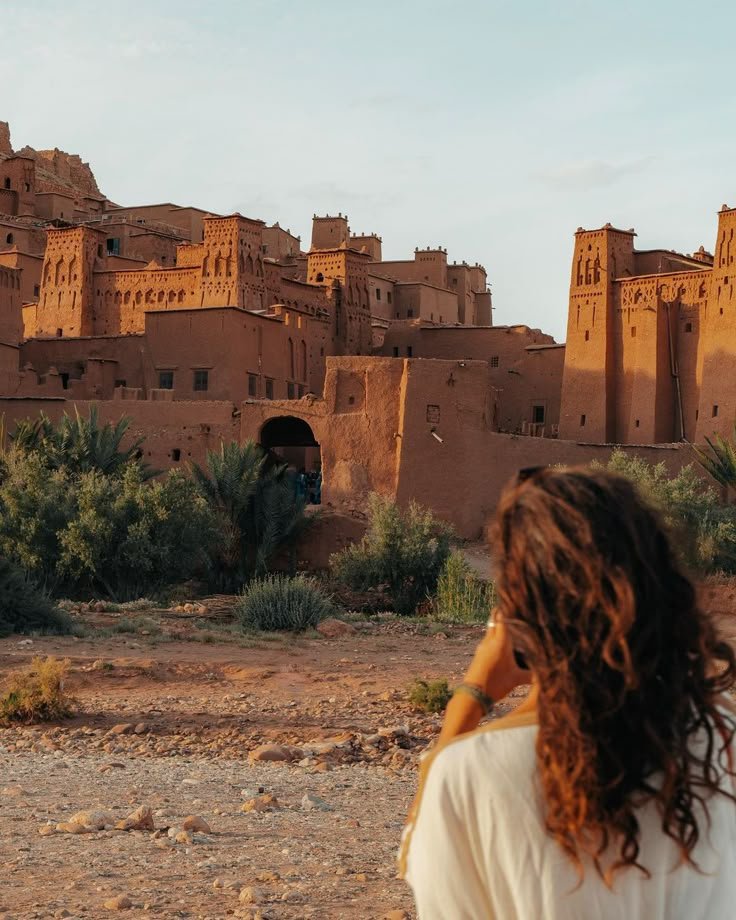
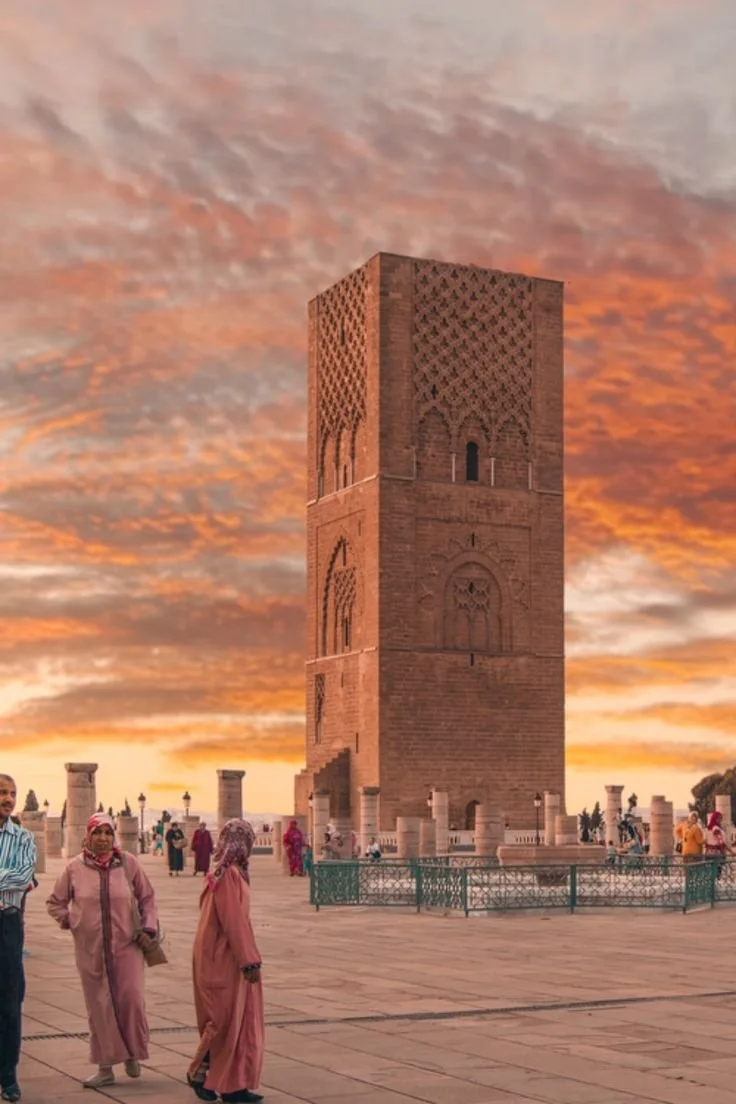
Rise early and watch the first light bathe this ancient ksar in gold. The cinematic silence of the morning, before the tour buses roll in, makes it feel like you’ve stepped into another century. Ask your host to arrange a private rooftop breakfast as the kasbah stirs to life.
-
Deep in the heart of Fes, master artisans still handcraft intricate ceramics using techniques passed down for generations. Book a private workshop in a hidden riad and shape your own piece of history.
-
For those who know, the magic of the Sahara isn’t just in the dunes—it’s in the silence, the way the stars spill endlessly across the sky. Find a luxe camp far from the crowds and let the desert swallow the noise of the world.
-
In the depths of the medina, behind an unmarked door, the city’s coolest speakeasy hosts live jazz nights. Candlelit tables, smoky mezcal cocktails, and a soundtrack that feels like a secret whispered between old friends. Ask a local where to find it.
-
The real souks aren’t in Marrakech. Venture to the High Atlas where nomadic traders still barter over saffron, silver, and handwoven kilims. It’s a dance of colour, scent, and quiet exchanges—best enjoyed with a cup of fresh mint tea in hand.
Local lowdown
-
Moroccans don’t rush—and neither should you. Whether it’s a mid-morning café noir or an unhurried mint tea break, let time stretch out like the sands beneath your feet.
-
Comfy sandals for the souks, chic linen for the riads, and something loose but elegant for a rooftop dinner. If in doubt, go for neutrals—Morocco’s palette is bold enough without competing.
-
Five times a day, the adhan echoes through the city. Pause, listen, and soak it in. It’s a moment of stillness in a country that moves with poetry.
-
Bargaining isn’t about haggling—it’s an art form. Keep it light, keep it playful, and always counteroffer at 50% of the original price. If you get called a Berber Woman, it means you are doing well because you’re tough!!
-
Morocco is best explored with flexibility—whether it’s hiring a driver for a cross-country road trip or hopping in a vintage sidecar to weave through Marrakech’s labyrinthine streets.
Your curated SLOJOURN check-list for Morocco
-
𓇼 Linen Everything – Marrakech will roast you in summer, but the desert nights get surprisingly cool. Stick to breathable layers and pack a light jacket for evenings under the stars.
𓇼 A Chic Scarf or Shawl – Multi-functional: use it for sun protection, temple visits, or to elevate a simple outfit. Bonus points if it’s handwoven from a local artisan.
𓇼 Desert-Worthy Footwear – Ditch the flimsy sandals. Opt for stylish-but-sturdy slides for city wanderings and lightweight boots for your desert escape.
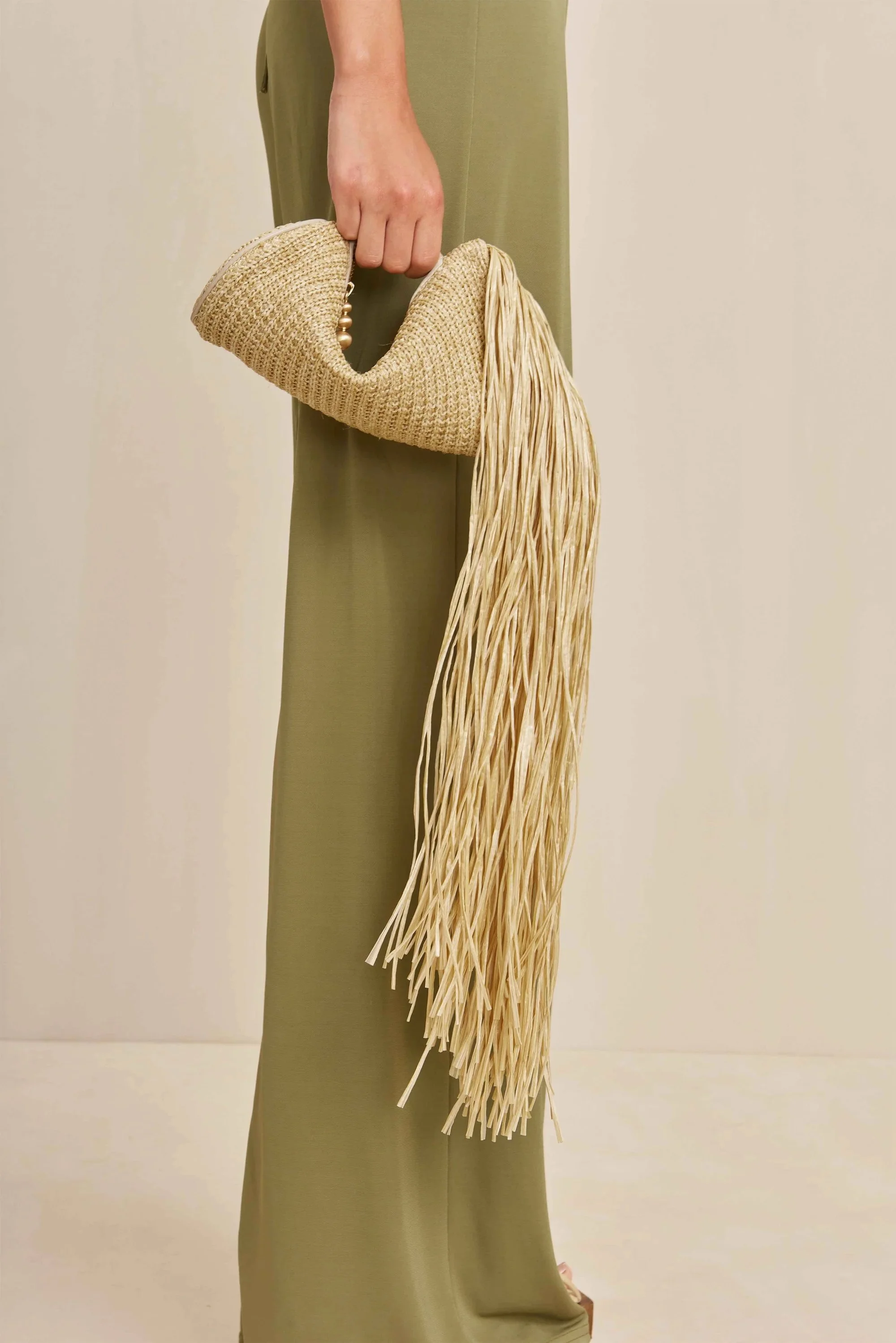
𓇼 A Soft Tote Bag – The souks are a treasure trove of ceramics, spices, and handwoven baskets. You’ll want an extra bag for all your finds.
𓇼 SPF & Sunglasses – Moroccan sun is unforgiving. A wide-brimmed hat wouldn’t go astray, either.
𓇼 Notebook for Souk Bargaining – Pro tip: write down quoted prices as you go. It’s a game of patience, and knowing where you got the best deal is key.
-
𓇼 Get Lost in the Medina (on Purpose) – The winding alleyways are designed to confuse, so lean into the chaos. Your best finds—whether it’s a hidden riad, a secret rooftop, or an antique Berber rug—won’t be on Google Maps.
𓇼 Cash is King – Many places (especially in the medina) don’t take cards. Stock up on dirhams at the airport or a local bank.
𓇼 Taxis & Transport – Always agree on a price before hopping into a taxi (or use the ‘Heetch’ app in cities for fairer rates). Long-distance? Book a private driver for stress-free exploring.
𓇼 Take the Train from Marrakech to Fes – It’s not the Orient Express, but it’s a scenic, slow-travel way to journey between Morocco’s two most evocative cities.
𓇼 Skip the Camel Rides (Unless Ethical) – Opt for desert camps that treat their camels with care, or swap it for a horse trek instead.
-
𓇼 Mint Tea is a Ceremony, Not a Drink – Sip slowly, savour the ritual, and never decline a second pour—it’s a sign of hospitality.
𓇼 Learn the Art of Hammam – The Moroccan bathhouse experience is next level. Go for a traditional hammam scrub (expect to leave feeling like a newborn).
𓇼 Wake Up with Call to Prayer – The adhan ringing out over the medina at dawn is a moment that stays with you. Open your windows and let it be your Moroccan alarm clock.
𓇼 Dine Under the Stars – Whether in the Agafay desert or on a riad rooftop, a slow meal under the night sky is an unmissable part of the experience.
𓇼 Embrace the Bargain Hustle – Negotiating in the souks is an art, not an argument. Smile, start low, and walk away at least once before you seal the deal.
-
𓇼 Support the Makers – Invest in handwoven Berber rugs, hand-dyed textiles, and brass lanterns from local artisans. Skip mass-produced souk stalls and buy directly from cooperatives or workshops where craftsmanship is preserved.
𓇼 Choose Ethical Desert Experiences – Opt for camps that honour the desert’s ecology and its nomadic communities. Ditch the touristy camel rides and go for a responsible trekking experience instead.
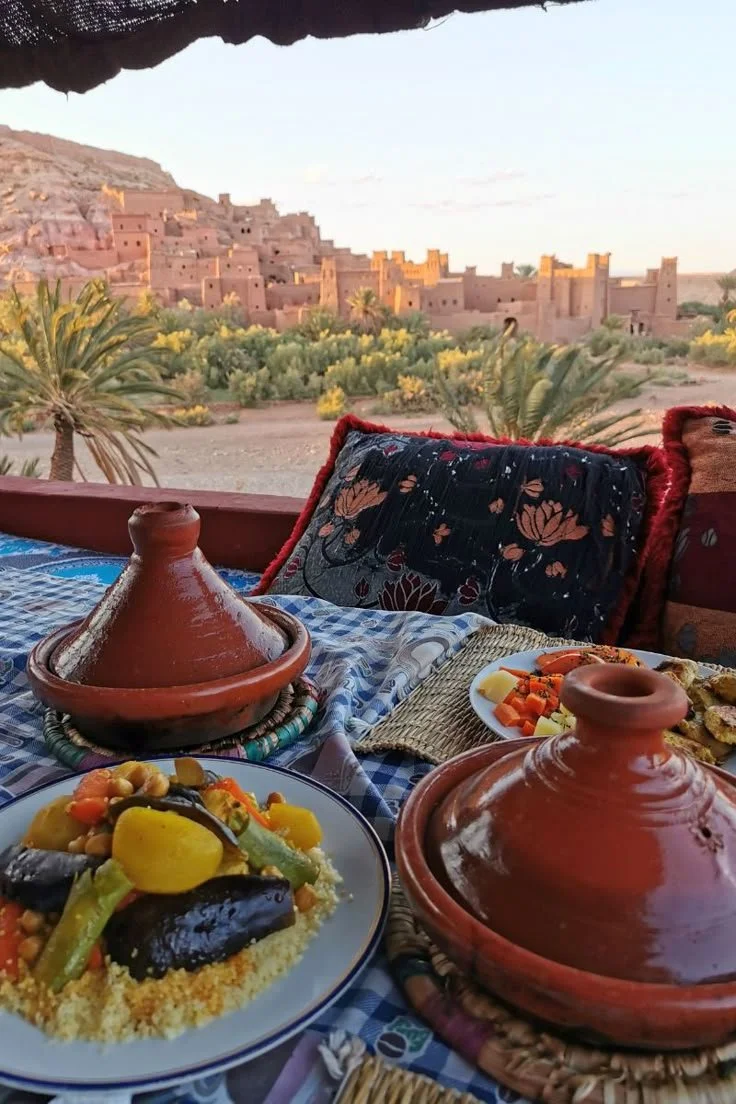
𓇼 Eat with Purpose – Dine at social enterprises and farm-to-table restaurants that empower local women and small-scale farmers. Your tagine tastes even better when it’s changing lives.
𓇼 Stay Where It Matters – Book riads and boutique stays that reinvest into heritage restoration, community initiatives, or environmental conservation. Every dirham spent thoughtfully helps sustain Morocco’s cultural fabric.
𓇼 Give Without Disrupting – Instead of handing out money or gifts to children in the streets, support grassroots NGOs working in education, women’s empowerment, and rural development. A well-placed donation has lasting impact.
𓇼 Tread Lightly in the Sahara – The desert is fragile—stick to eco-conscious camps, leave no trace, and swap plastic bottles for a reusable flask (many riads have filtered water stations).
𓇼 Honour the Hands Behind the Craft – From tanneries in Fes to pottery studios in Safi, seek out artisans who are keeping centuries-old techniques alive. Many rely on direct trade to sustain their families and traditions.
Kindred places: we’re obsessed…